Most people assume switching to an electric vehicle is mainly about saving money on fuel — but the advantages of electric cars go far deeper than your monthly gas bill. From the way they perform on the road to their long-term impact on air quality in cities, EVs are reshaping what drivers actually expect from a car.
Why the driving experience feels different from day one
One of the first things new EV owners mention is the instant torque. Unlike internal combustion engines that need to build up power through RPM, electric motors deliver maximum torque immediately. That means smooth, responsive acceleration from a standing start — whether you’re merging onto a highway or simply pulling out of a parking lot. There’s no gear shifting, no engine noise, and no vibration. Just motion.
This isn’t just a comfort thing. That responsiveness translates directly into road safety, since quicker reaction between pressing the pedal and the car moving gives drivers more precise control in unpredictable traffic situations.
The real cost picture over time
Buying an electric car might cost more upfront, but the total cost of ownership often tells a different story. Electricity is significantly cheaper per kilometer than gasoline or diesel in most regions. Add to that the reduced maintenance requirements — no oil changes, no timing belts, fewer brake replacements thanks to regenerative braking — and the savings accumulate steadily.
| Cost Category | Conventional Car | Electric Car |
|---|---|---|
| Fuel / Energy per 100 km | Higher (gasoline prices) | Lower (electricity rates) |
| Oil changes per year | 2–4 times | Not required |
| Brake system wear | Regular replacement | Reduced (regenerative braking) |
| Engine-related repairs | Common over time | Significantly less frequent |
Many governments and municipalities also offer purchase incentives, tax credits, reduced registration fees, and access to lower-cost charging infrastructure — all of which further improve the financial case for going electric.
Environmental impact: what the numbers actually show
Electric vehicles produce zero direct tailpipe emissions. In dense urban environments, this has a measurable effect on local air quality, reducing concentrations of nitrogen oxides and particulate matter — pollutants directly linked to respiratory conditions. Studies from multiple European cities have demonstrated that higher EV adoption correlates with improved air quality indicators over time.
The broader carbon footprint depends on how electricity is generated in a given region. Where renewable energy sources power the grid, EVs run with dramatically lower lifecycle emissions compared to fossil fuel vehicles. Even in regions with a mixed energy grid, electric cars tend to produce fewer emissions over their full lifetime once manufacturing is factored in.
According to the International Energy Agency, electric cars emit significantly less CO₂ over their lifetime compared to petrol vehicles, even when accounting for battery production and electricity generation.
Home charging changes the daily routine
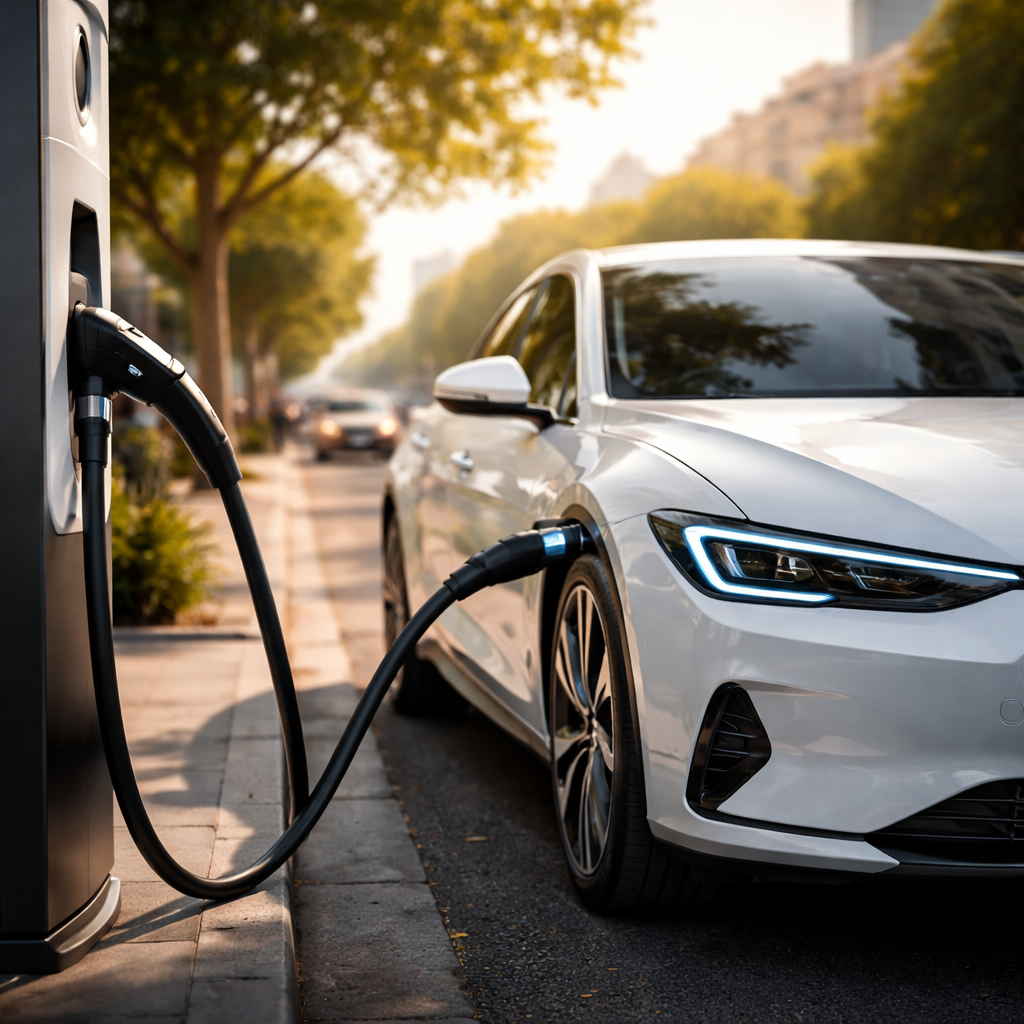
One underrated benefit of owning an EV is the ability to charge at home overnight. For most daily commuters, this eliminates the need to visit a gas station entirely. You wake up to a full charge every morning without adjusting your schedule. It’s a small shift, but over weeks and months it removes a genuinely recurring friction point from everyday life.
Public charging infrastructure is also expanding rapidly. Fast-charging stations can replenish a significant portion of battery capacity in under 30 minutes, making longer trips increasingly practical for EV drivers.
Performance and technology built in by design
Electric vehicles are often at the forefront of automotive technology. Because the drivetrain is simpler and more compact, manufacturers have more flexibility in how they design the interior — resulting in more cabin space, lower centers of gravity (which improves handling), and innovative storage solutions. Many models feature over-the-air software updates, meaning the car can receive new capabilities and improvements without a service visit.
Advanced driver assistance systems, integrated navigation with real-time charging station data, and energy management tools are frequently standard on electric models rather than costly add-ons.
Practical benefits that are easy to overlook
- Quieter ride: electric motors operate almost silently, reducing both interior and exterior noise pollution
- Lower emissions testing requirements: EVs are typically exempt from periodic emissions inspections
- Access privileges: in many cities, electric vehicles can use bus lanes or benefit from free or discounted parking
- Reduced dependency on fuel price volatility: electricity prices tend to be more stable than gasoline markets
- Simpler drivetrain: fewer moving parts means fewer potential failure points over the vehicle’s lifespan
Who electric cars actually suit well
EVs work best for people with predictable daily driving distances — typically urban and suburban commuters who travel under 100–150 km per day. If you have access to home charging or a reliable workplace charging point, the convenience factor is very high. Families looking for a second car, city dwellers, and technology-oriented drivers tend to adapt quickly and report high satisfaction rates.
That said, the gap between EVs and traditional vehicles in terms of range and charging convenience is narrowing every year. Drivers who travel long distances regularly now have more viable electric options than ever before, with many models offering ranges that comfortably exceed 400 km on a single charge.
The shift is already happening — and it’s worth understanding why
Electric car adoption isn’t just a trend driven by policy mandates. It’s happening because for a growing number of drivers, EVs genuinely deliver a better daily experience — quieter, smoother, cheaper to run, and simpler to maintain. The initial hesitation most people feel tends to fade quickly once they spend time behind the wheel of a well-designed electric vehicle.
Understanding what makes electric cars genuinely useful — not just environmentally symbolic — helps people make more informed decisions. Whether you’re considering your next vehicle purchase or simply curious about how the technology holds up in real-world use, the case for electric cars is increasingly grounded in practical, everyday reality rather than idealism.