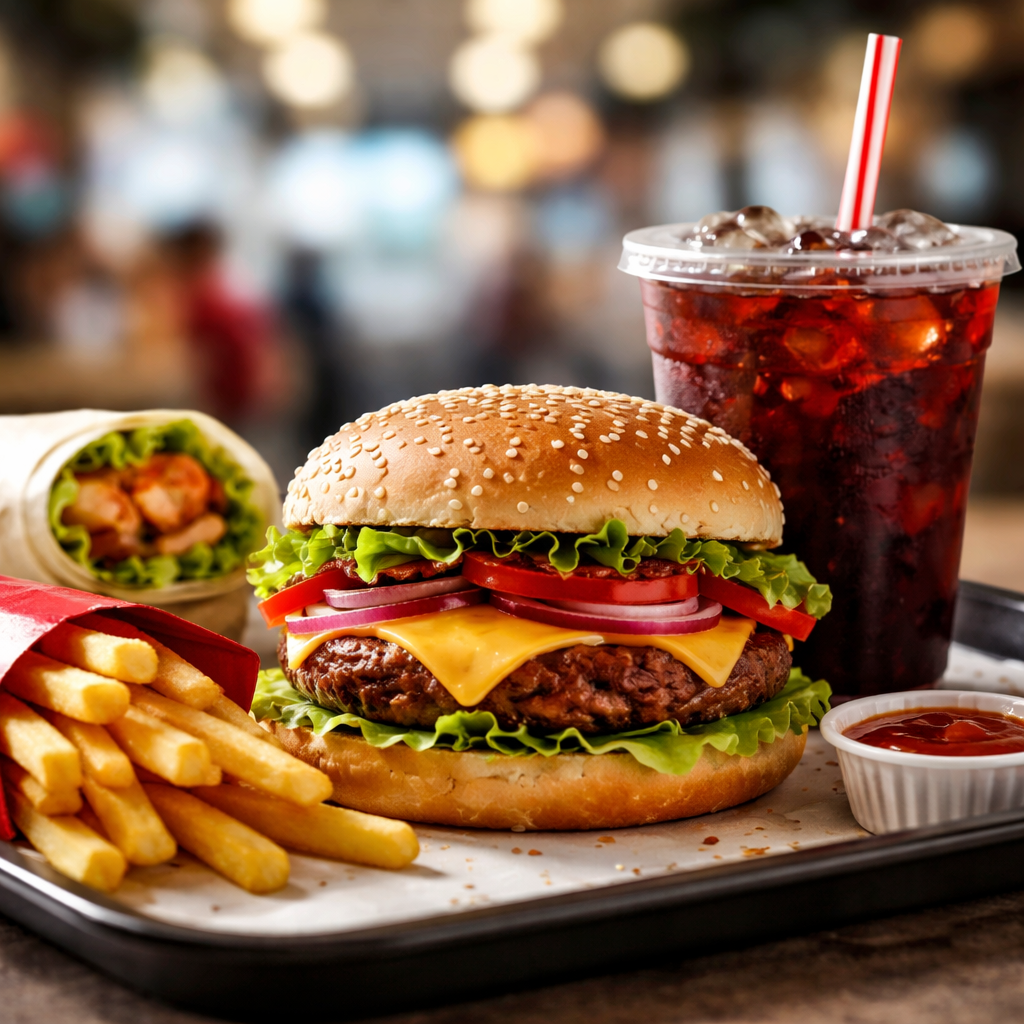
Most people who grab a burger or a wrap between meetings rarely stop to think about the advantages of fast food beyond the obvious — it’s quick and it fills you up. But there’s actually more going on behind that simple transaction than we tend to acknowledge, and understanding it can help you make smarter, more intentional choices rather than feeling guilty every time you visit a drive-through.
Speed that actually matters in real life
Time is one of the most finite resources any of us has. For working parents, students pulling long shifts, or professionals navigating back-to-back schedules, a meal that takes under five minutes to obtain and eat isn’t a compromise — it’s a practical solution. Fast food chains have built their entire operating model around minimizing wait time, which is why most locations consistently deliver your order in under three minutes during standard service conditions.
This efficiency isn’t accidental. It’s the result of highly refined preparation systems, pre-portioned ingredients, and workflow optimization that most home kitchens simply can’t replicate at scale. When you’re genuinely short on time, sitting down to a fast food meal is often more realistic than cooking, even if you enjoy cooking on weekends.
Affordability and budget-friendly eating
Price accessibility is one of the most commonly cited benefits of fast food — and for good reason. Value menus, combo deals, and loyalty apps have made it possible to have a complete meal for a fraction of what you’d spend at a sit-down restaurant. This matters especially for people in transitional life stages: students living away from home, young adults in urban areas with higher living costs, or anyone navigating a tight monthly budget.
| Meal Type | Average Cost (Fast Food) | Average Cost (Casual Dining) |
|---|---|---|
| Single burger + drink | $5–$8 | $14–$20 |
| Chicken wrap + side | $6–$9 | $13–$18 |
| Salad bowl | $7–$10 | $12–$17 |
These numbers vary by region and chain, but the pattern holds across most markets. Fast food offers a genuine cost advantage without requiring you to skip eating altogether or compromise on portion size.
Consistency you can actually rely on
Here’s something that doesn’t get enough credit: fast food is predictable in a way that very few food experiences are. When you order the same item at a chain, whether you’re in your home city or traveling somewhere unfamiliar, you know what you’re getting. That consistency is psychologically reassuring, especially when you’re stressed, tired, or in an unfamiliar environment.
Standardization in fast food isn’t a flaw — it’s a feature that many people, consciously or not, find deeply comforting when everything else feels uncertain.
This reliability also extends to allergen management. Major fast food chains now publish detailed nutritional and allergen information for every menu item, making it easier for people with dietary restrictions to find safe options compared to smaller restaurants where cross-contamination practices may be unclear.
Wider menu options than the reputation suggests
The public image of fast food is often frozen in the past — think only burgers, fries, and sodas. But the actual menus at most major chains have expanded considerably. Grilled chicken, grain bowls, fresh salads, wraps with vegetable-forward fillings, plant-based protein options, and low-calorie beverages are now standard offerings at many locations.
- Plant-based patties available at several global chains
- Calorie counts displayed on menus in many countries by law
- Customizable orders to reduce sodium, fat, or added sugars
- Fresh fruit sides offered as alternatives to fries
- Unsweetened beverage options including water and black coffee
The assumption that fast food can’t fit into a health-conscious lifestyle is becoming increasingly outdated. It still requires informed choices — nobody claims a double cheeseburger with large fries is a nutritional ideal — but the options for making reasonable decisions are genuinely there if you look for them.
Accessibility for people with limited cooking ability or resources
Not everyone has access to a full kitchen, storage space for groceries, or the physical capacity to cook regularly. Elderly individuals living alone, people with certain disabilities, those in temporary housing, or anyone recovering from illness may find fast food to be one of the few realistic ways to maintain regular calorie intake without dependency on others.
This dimension of accessibility is rarely discussed in mainstream conversations about fast food, which tend to focus on affluent consumer choices rather than the full range of people who rely on these options out of practical necessity.
Social and cultural convenience
Fast food spaces function as informal gathering points — especially for teenagers, families with young children, and groups of friends looking for a low-pressure environment where nobody needs to dress up or make a reservation. The casual, no-commitment nature of the setting allows for easy, spontaneous social interaction that more formal dining can actually discourage.
Beyond that, fast food has become embedded in travel culture. Road trips, airport layovers, and cross-country drives are practically defined by the familiar logos visible from the highway. For many people, these meals carry nostalgic associations tied to family memories or personal milestones — something that purely rational nutritional analysis tends to ignore entirely.
What a balanced view actually looks like
None of the advantages listed here mean that fast food should replace thoughtfully prepared home meals or that frequency doesn’t matter. What they do suggest is that the binary framing — fast food is bad, home cooking is good — misses a lot of nuance about how people actually live. Real life involves trade-offs, and fast food, used intelligently, can be one reasonable tool among many rather than something to feel ashamed of choosing.
The people who navigate fast food most successfully tend to treat it as a specific-use option: useful when time is short, useful when traveling, useful when budgets are tight — and not the default for every single meal. That approach lets you capture the genuine benefits without letting the drawbacks accumulate over time. It’s less about avoiding fast food entirely and more about knowing when it actually serves you well.