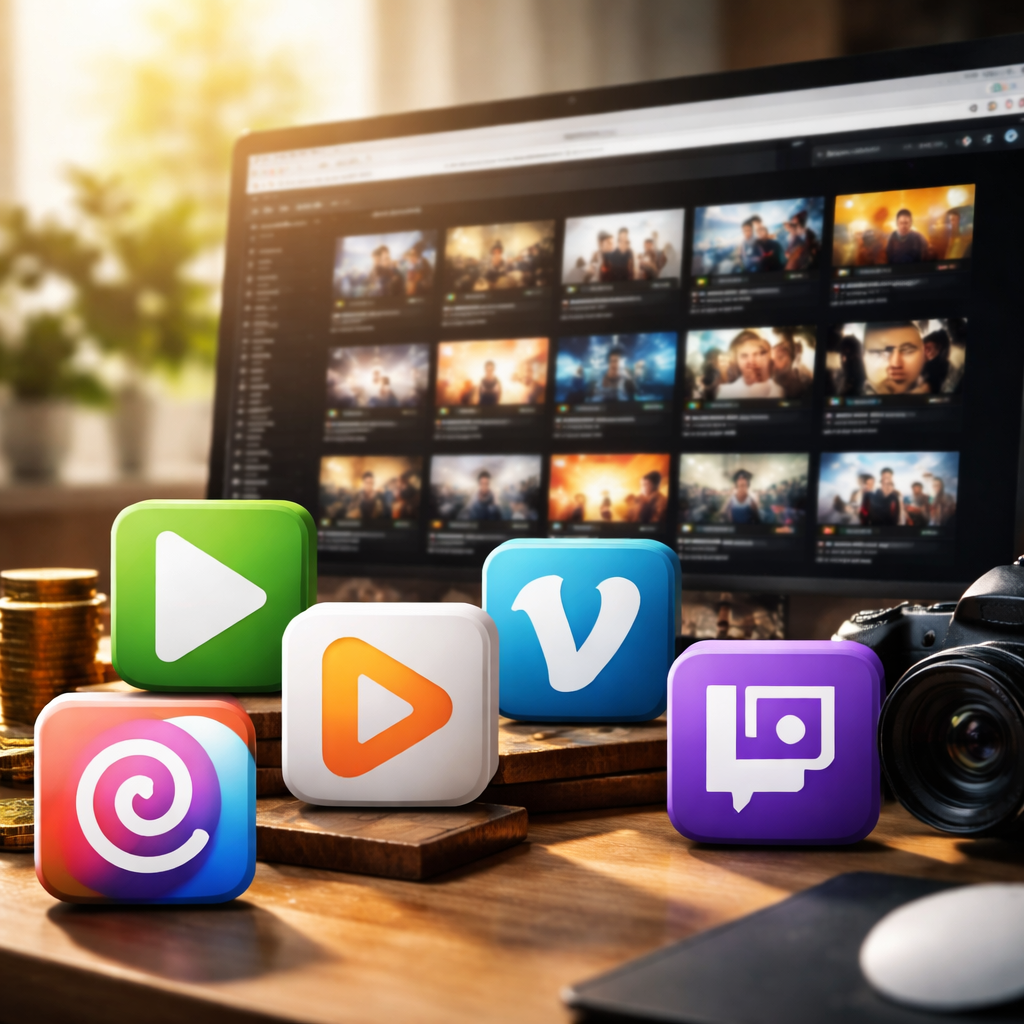
Most people don’t realize how many solid platforms exist outside of Google’s video giant — and finding a real alternative to YouTube often comes down to knowing what you actually need: privacy, monetization, niche content, or simply a different feed algorithm that doesn’t trap you in a loop.
Why people are looking beyond the biggest video platform
The frustration is real. Aggressive ad interruptions, content moderation that feels inconsistent, algorithm-driven recommendations that prioritize watch time over relevance — these are not minor complaints. Creators and viewers alike are actively exploring other platforms, and the options have grown significantly in both quality and variety.
Whether you’re a content creator looking for better revenue share, a viewer tired of being tracked, or someone searching for content that simply doesn’t perform well under mainstream algorithms, there’s a platform built for your specific case.
Platforms worth your attention
Here’s an honest breakdown of the most widely used alternatives, grouped by what they’re actually good at:
| Platform | Best for | Monetization | Privacy focus |
|---|---|---|---|
| Vimeo | Filmmakers, professionals | Subscription-based | Moderate |
| Dailymotion | General content, news | Ad revenue sharing | Low |
| Rumble | Independent creators | Ad + licensing | Moderate |
| PeerTube | Decentralized hosting | None (open-source) | High |
| Odysee (LBRY) | Free speech, crypto rewards | Crypto-based tips | High |
| Twitch | Live streaming | Subscriptions, bits | Low |
| Nebula | Educational creators | Creator-owned model | Moderate |
Each of these serves a distinct purpose, and understanding the difference can save you a lot of time switching between platforms that don’t fit your workflow or viewing habits.
For creators: where the money and freedom actually are
Vimeo has long been the go-to for filmmakers and video professionals who care about presentation quality. Unlike ad-supported platforms, Vimeo operates on a subscription model — which means no pre-roll ads and a much cleaner viewing experience. The trade-off is that organic discoverability is limited. You bring your audience; Vimeo hosts your content beautifully.
Rumble has attracted a significant wave of independent creators, particularly those who’ve had content demonetized or restricted elsewhere. Its revenue model includes both ad revenue sharing and licensing deals with media partners, which can be surprisingly lucrative for creators with strong evergreen content.
Nebula is a creator-owned streaming platform built by and for educational content makers. Channels like CGP Grey, Wendover Productions, and Legal Eagle publish content there — often exclusively. Revenue goes directly to creators based on subscriber watch time, cutting out the unpredictability of ad revenue.
“The best platform for a creator isn’t the one with the most users — it’s the one where your specific audience is willing to pay attention or pay directly.”
For viewers: privacy, niche content, and escaping the algorithm
If tracking and data collection concern you, PeerTube is worth exploring. It’s an open-source, federated video hosting network — meaning there’s no single company running it. Anyone can host their own instance, and videos can be shared across instances. It’s not polished or mainstream, but it’s genuinely decentralized.
Odysee operates on blockchain technology and offers content creators cryptocurrency-based rewards. For viewers, it provides a feed that isn’t shaped by engagement-maximizing algorithms in the same way mainstream platforms are. The content library has grown considerably, with many creators mirroring their uploads there.
Dailymotion is worth mentioning as a simple, familiar option — especially for news content. It doesn’t reinvent anything, but it works, it’s accessible globally, and some regional news networks publish exclusively or early there.
Live streaming alternatives that go beyond gaming
Twitch is the obvious name in live streaming, but its identity has expanded well beyond gaming. Podcasters, artists, musicians, and even software developers stream their work processes live on the platform. The community engagement tools — clips, channel points, subscriptions — are genuinely more developed than on most competitors.
For a more open environment, Kick has emerged as a newer live streaming platform with a notably higher revenue split for streamers — 95% to the creator versus Twitch’s standard 50%. It’s growing, though its audience is still smaller and concentrated in gaming and commentary content.
What to consider before making a switch
- Audience location matters: some platforms perform better in specific regions or language markets.
- Content type affects the fit: talking-head videos, documentary content, live streams, and short-form clips each have platforms where they’re consumed most naturally.
- Monetization model alignment: ad revenue, subscriptions, tips, and licensing are fundamentally different income structures with different stability levels.
- Upload and compression settings vary widely — what looks sharp on one platform can degrade significantly on another.
- Community tools like comments, memberships, and analytics differ enough to affect your workflow and engagement strategy.
There’s no universal answer here. A documentary filmmaker and a daily vlogger have almost nothing in common in terms of platform needs, even if both currently use the same video hosting giant.
The shift is already happening — and it’s worth paying attention to
The video hosting landscape is no longer a one-platform world. Creator diversification, audience fatigue with algorithmic content, and growing awareness around digital privacy have all contributed to a genuine redistribution of attention. Platforms like Nebula and PeerTube represent entirely different philosophies about how video content should be hosted and funded — and those philosophies are attracting real audiences.
You don’t have to abandon what works. But knowing your options gives you leverage — as a creator negotiating your platform strategy, or as a viewer curating a healthier media diet. The alternatives are more capable than most people assume, and the gap is narrowing faster than the headlines suggest.