Every year, millions of travelers ask themselves whether it is safe to travel to Mexico — and the honest answer is more nuanced than a simple yes or no. Mexico is a country of striking contrasts: breathtaking coastlines, ancient ruins, vibrant street food culture, and warm hospitality on one side; and on the other, regions where security conditions require serious attention before packing your bags.
What the travel advisories actually say
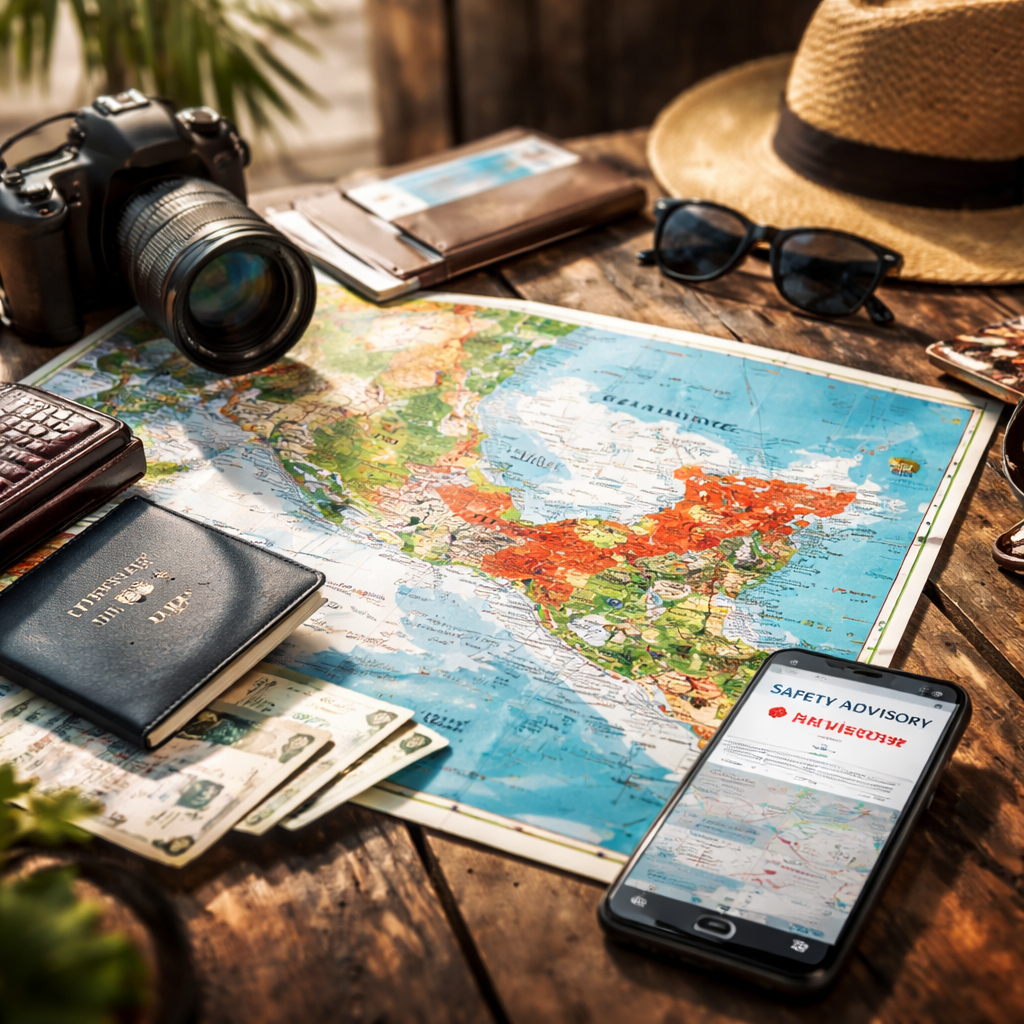
Government travel advisories are often the first thing people check — and for good reason. The U.S. Department of State, the UK Foreign Office, and similar agencies regularly update their assessments of Mexican states based on crime rates, cartel activity, and incidents involving tourists. These advisories use a tiered system, and Mexico’s states are not all rated equally.
Some states, like Yucatán and Campeche, consistently receive low-risk ratings and are considered safe for tourism. Others, such as Colima, Tamaulipas, and parts of Guerrero, carry “Do Not Travel” designations — the highest level of warning. Understanding this regional distinction is the most important first step any traveler can take.
| Region / State | General Safety Level | Popular with Tourists? |
|---|---|---|
| Yucatán (Mérida, Chichén Itzá) | Generally safe | Yes |
| Quintana Roo (Cancún, Tulum) | Moderate — exercise caution | Very popular |
| Oaxaca City | Relatively safe in tourist zones | Yes |
| Mexico City (CDMX) | Mixed — varies by neighborhood | Yes |
| Tamaulipas | High risk — avoid | No |
| Colima | High risk — avoid | No |
The gap between perception and reality for most visitors
Media coverage tends to amplify dramatic incidents, which can create a skewed picture of day-to-day life for tourists. The reality is that the overwhelming majority of people who visit popular destinations like Cancún, Puerto Vallarta, San Miguel de Allende, or Mexico City return home without any safety issues at all. Tourist zones are generally well-policed, and the hospitality industry has a strong incentive to ensure visitors feel comfortable.
That said, complacency is its own risk. Tourists who wander outside well-known areas, use unofficial taxis, or ignore local advice can find themselves in genuinely dangerous situations. The difference between a smooth trip and a problematic one often comes down to preparation and situational awareness — not luck.
“Mexico rewards travelers who do their homework. The people who struggle are usually those who treated it like a completely risk-free destination without any research beforehand.”
Practical safety habits that make a real difference
Experienced travelers and travel safety experts consistently point to the same set of habits that reduce risk significantly. These aren’t overly restrictive rules — they’re common-sense adjustments that apply to many destinations worldwide, but are especially relevant in Mexico.
- Use app-based ride services like Uber rather than hailing taxis from the street, especially at night.
- Avoid displaying expensive cameras, jewelry, or phones in crowded or unfamiliar areas.
- Stay informed about your specific destination — not just “Mexico” in general.
- Book accommodation in well-reviewed areas and check recent traveler feedback, not just star ratings.
- Keep digital and physical copies of important documents stored separately.
- Let someone at home know your itinerary, including accommodation addresses.
- Avoid traveling by road between cities at night, particularly in states with elevated risk levels.
One habit worth highlighting separately is using ATMs inside banks or shopping malls during daylight hours rather than standalone machines on the street. Card skimming is a known issue in tourist-heavy areas, and this simple adjustment removes a common risk entirely.
Solo travel, families, and LGBTQ+ visitors
Safety considerations in Mexico vary depending on who is traveling. Solo female travelers, for example, report mixed experiences — many feel completely comfortable in places like Oaxaca or Mexico City’s Roma and Condesa neighborhoods, while others note that street harassment can be an issue in certain areas. Traveling during daylight hours, choosing well-lit routes, and trusting your instincts remain universal pieces of advice.
Families with children generally find that resort towns and colonial cities are welcoming and child-friendly. Mexico has a strong family culture, and children are often met with warmth and patience in restaurants, museums, and public spaces.
LGBTQ+ travelers will find that Mexico City, Puerto Vallarta, and Tulum have well-established queer-friendly communities and visible LGBTQ+ infrastructure. Same-sex marriage is legal across Mexico. However, attitudes in rural areas or smaller towns can be more conservative, and discretion may be advisable outside of major urban centers.
Health considerations travelers often overlook
Beyond physical security, health safety is a practical concern that deserves attention. Travelers’ diarrhea remains one of the most common issues visitors face — often caused by consuming tap water or food from establishments with lower hygiene standards. Sticking to bottled or purified water, even for brushing teeth in some areas, is a widely recommended precaution.
Mosquito-borne illnesses including dengue fever and, in some regions, Zika virus are present in tropical and coastal areas. Using insect repellent with DEET and wearing long sleeves in the evenings can meaningfully reduce exposure. Checking with a travel medicine clinic before departure is always a smart move, especially for longer trips or visits during rainy season.
Making the call: your Mexico trip starts with the right questions
Rather than asking whether Mexico is safe as a whole, the more useful question is: which part of Mexico do you plan to visit, when, and how? A beach holiday in Los Cabos carries a very different risk profile than driving through rural Michoacán. A long weekend in Mexico City staying in established neighborhoods is not the same experience as improvising a road trip through unfamiliar states.
Mexico is one of the most visited countries in the world, and that popularity is not accidental. The combination of cultural richness, natural diversity, affordable costs, and proximity to North American travelers makes it genuinely compelling. Approaching it with clear-eyed preparation rather than either blind confidence or excessive fear is what separates a great trip from a stressful one.
Check updated government advisories from your home country before booking. Read recent traveler accounts specific to your destination. Get travel insurance that covers medical evacuation. And then — if the destination checks out — go and experience one of the most remarkable countries in the Western Hemisphere with confidence.