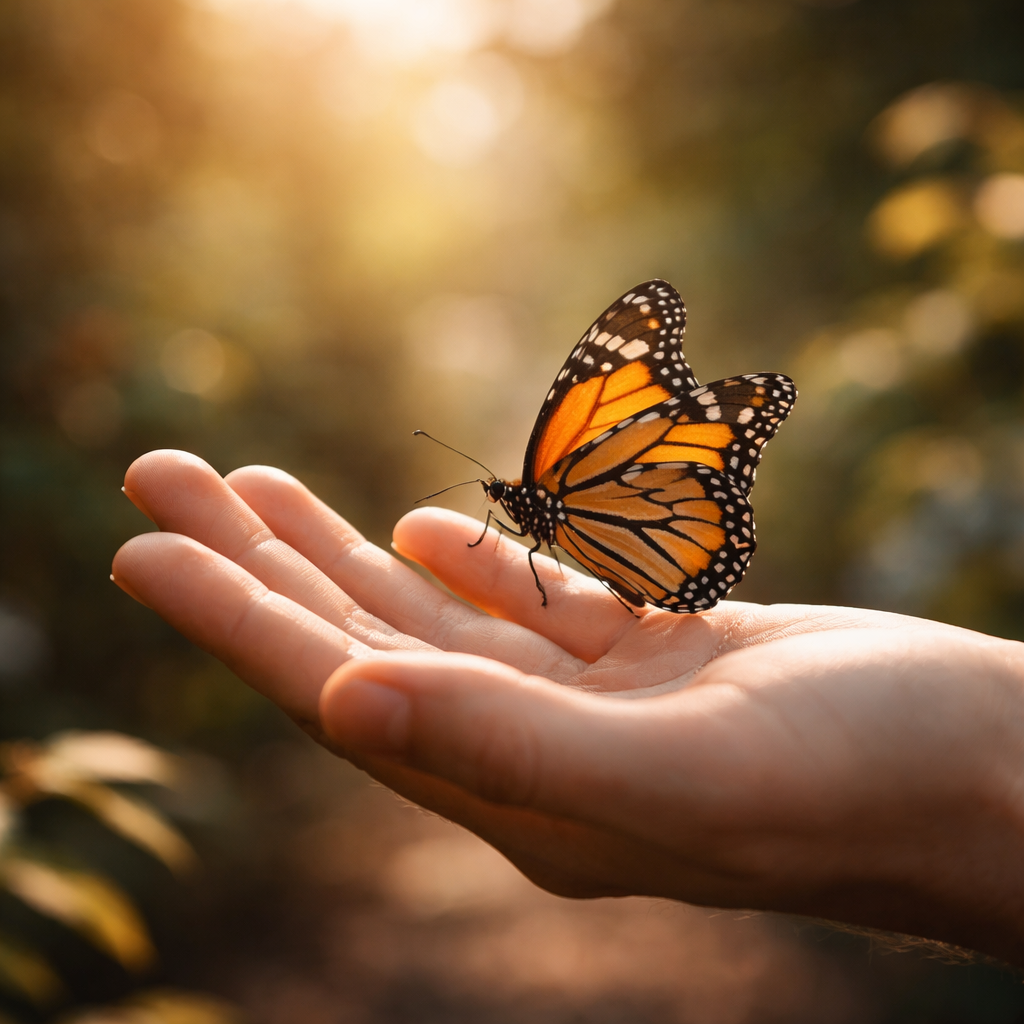
A butterfly landing on your hand feels different from seeing one in a garden. Most people instinctively pause, take notice, and wonder — is there a message here? That quiet instinct has been shared across cultures for thousands of years, and it turns out there are real, documented reasons why butterflies carry such deep symbolic weight.
Why butterflies have meant so much across so many cultures
The meaning of butterflies has never been a single, fixed idea. Instead, it shifts depending on where you look — ancient Greece, Mesoamerican traditions, East Asian art, or Celtic folklore. What connects all of these interpretations is transformation. The butterfly’s life cycle — from egg to caterpillar to chrysalis to winged creature — is one of the most visually dramatic changes in the natural world, and human beings have been attaching symbolic meaning to it for as long as recorded history allows us to trace.
In ancient Greek, the word for butterfly was psyche — the same word used for the soul. This wasn’t a coincidence or a poetic flourish; it reflected a genuine belief that butterflies were connected to the spirit of a person after death. The goddess Psyche herself was depicted with butterfly wings. Meanwhile, in Japanese culture, a butterfly (cho) symbolizes the soul of a living person as much as the departed, and seeing one near your home was traditionally considered a welcoming sign rather than an omen.
“Once upon a time, I, Chuang Tzu, dreamt I was a butterfly… Now I do not know whether I was then a man dreaming I was a butterfly, or whether I am now a butterfly dreaming I am a man.” — Zhuangzi, Taoist philosopher
This famous passage from Taoist philosophy shows how deeply the butterfly was woven into questions about identity, reality, and consciousness — long before the modern interest in symbolism made it a popular topic.
Color matters more than most people realize
When people look up the meaning of butterflies, they often overlook one of the most specific layers of interpretation: color. Different cultures and spiritual traditions associate butterfly colors with distinct meanings, and while these interpretations vary, certain patterns appear consistently across sources.
| Butterfly Color | Common Symbolic Association |
|---|---|
| White | Purity, spiritual messages, the presence of a deceased loved one |
| Yellow | Joy, new beginnings, positive energy, hope |
| Black | Transition, the end of a life chapter, mystery |
| Orange | Vitality, passion, enthusiasm, warmth |
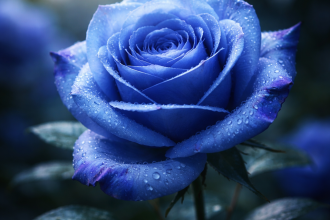
| Blue | Rarity, calm, good luck, spiritual guidance |
| Red | Intensity, strong emotion, life force |
It’s worth noting that these associations are cultural and symbolic — not scientific claims. But understanding them helps decode why a white butterfly appearing after a loss feels meaningful to so many people independently of each other.
Spiritual and personal interpretations in everyday life
Beyond historical and cultural frameworks, many people today encounter butterflies in moments of personal significance — grief, big decisions, new beginnings — and find themselves searching for meaning. This is entirely valid. Symbolism works because it gives language to experiences that are otherwise hard to articulate.
Some of the most commonly reported personal meanings include:
- A sign of personal transformation or growth during a difficult period
- A reminder that change, while uncomfortable, leads somewhere better
- A spiritual connection to someone who has passed away
- A prompt to trust the process when life feels uncertain
- An encouragement to embrace lightness and presence rather than worry
None of these interpretations require a specific religious framework. They draw on something more universal — the observable fact that butterflies represent one of nature’s most complete examples of reinvention.
What different species and encounters might suggest
The monarch butterfly deserves special mention. In Mexican culture, monarchs are deeply tied to Día de los Muertos — the annual migration of millions of monarchs to central Mexico coincides with the holiday, and they are believed to carry the souls of ancestors returning for a visit. This is not a vague folk belief; it is a living, practiced tradition tied to a real natural event that scientists have studied extensively.
The context of the encounter also matters to many interpreters. A butterfly that follows you, lands on you, or appears repeatedly in a short period is often read differently from one seen at a distance. In various spiritual traditions, repeated sightings are interpreted as a signal to pay attention — either to a decision you’re avoiding, a change you’re resisting, or a moment of peace you’re not allowing yourself to experience.
From mythology to modern symbolism — the thread that runs through
It would be easy to assume that butterfly symbolism is ancient and fading. In reality, it has moved fluidly into contemporary culture — appearing in literature, tattoo art, mental health advocacy, and even scientific metaphor (the butterfly effect in chaos theory). The image has stayed relevant precisely because the theme it represents — transformation, fragility, resilience — never goes out of date.
In the context of mental health and personal development, the butterfly has become a widely used symbol for survival and recovery. The Butterfly Project, for example, is a real initiative that uses butterfly imagery as part of self-harm awareness. The symbol carries weight not because it was assigned meaning arbitrarily, but because it maps onto something truthful about difficult journeys and hopeful outcomes.
Reading the symbol on your own terms
Ultimately, what the meaning of butterflies comes down to is this: the interpretation you find most resonant is the one worth paying attention to. Cultural history gives you a rich vocabulary of associations — transformation, soul, impermanence, joy, renewal, spiritual presence. But symbols are tools for reflection, not instructions.
If a butterfly crosses your path and it prompts you to think about where you are in life, what you’re moving away from, or what you’re becoming — that’s the meaning doing its job. No single tradition has the final word on this, and that openness is part of what makes butterfly symbolism so enduring and so genuinely useful to so many different kinds of people.