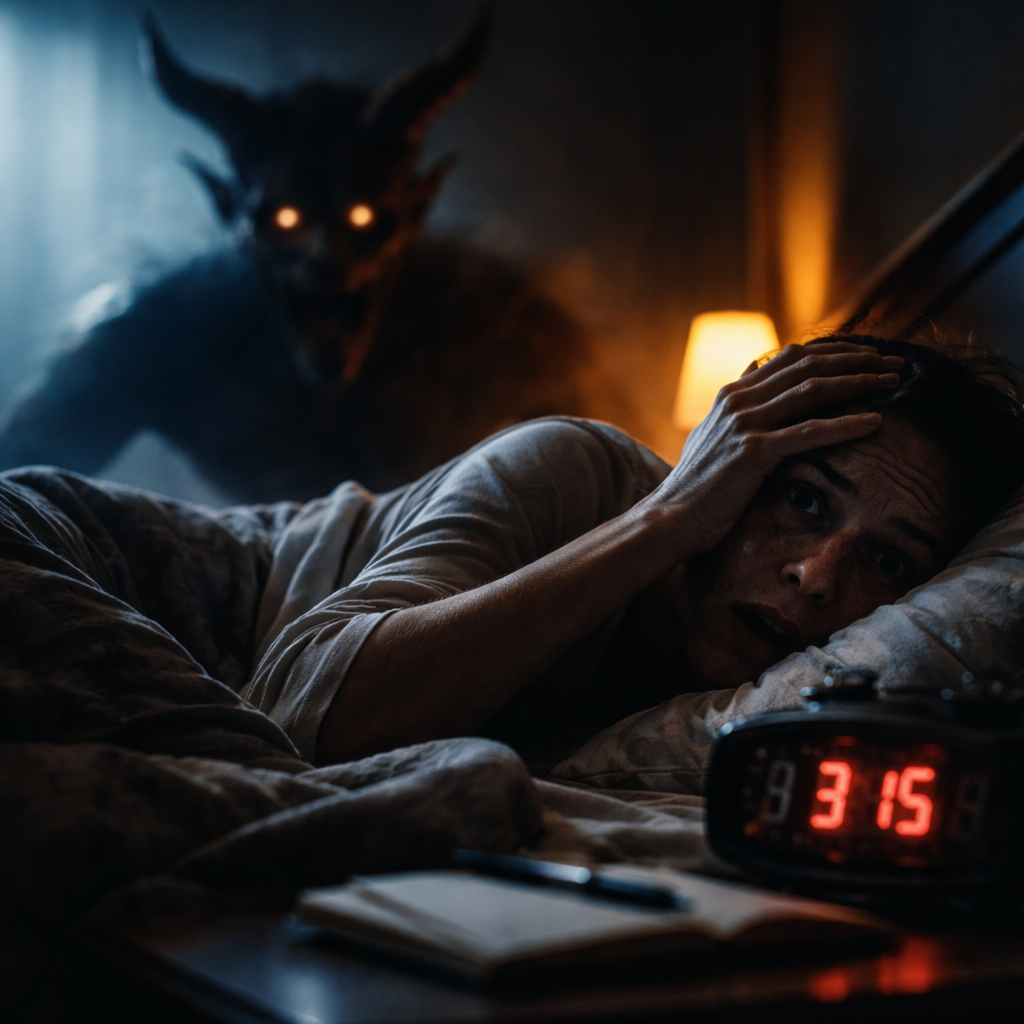
Most people wake up from a dream about demons feeling unsettled, heart racing, unsure whether to brush it off or take it seriously. These dreams tend to stick with you far longer than ordinary nightmares — and that lingering feeling is actually worth paying attention to. Dream researchers, psychologists, and cultural analysts have spent decades examining what these vivid, often terrifying experiences might reflect about our inner world.
Why demons show up in dreams at all
Dreams involving dark or threatening figures aren’t random noise from your sleeping brain. Sleep researchers suggest they often emerge during periods of heightened stress, unresolved conflict, or when a person is suppressing emotions they haven’t consciously acknowledged. The demon as a dream symbol has appeared across cultures for thousands of years — in Mesopotamian texts, Christian theology, Buddhist cosmology, and indigenous traditions — and each framework interprets the figure differently.
From a psychological standpoint, Carl Jung’s concept of the “shadow” is probably the most cited framework here. The shadow represents the parts of our personality we reject, hide, or fear. When those suppressed aspects build up enough pressure, they can surface in dreams as threatening, monstrous, or demonic figures. This doesn’t mean anything supernatural is happening — it means your mind is communicating through imagery.
“Until you make the unconscious conscious, it will direct your life and you will call it fate.” — Carl Jung
Common demon dream scenarios and their possible meanings
Not all demon dreams are the same, and the specific details matter enormously when trying to interpret them. Context, emotion, and the dreamer’s personal associations all shape what the imagery likely points to.
| Dream scenario | Possible psychological meaning |
|---|---|
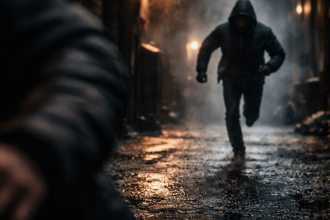
| Being chased by a demon | Avoidance of a problem, fear, or emotion in waking life |
| Fighting a demon | Active confrontation with an internal struggle or external conflict |
| Talking to a demon | Engaging with a difficult truth or suppressed desire |
| Being possessed by a demon | Feeling out of control, overwhelmed, or losing one’s sense of self |
| Defeating a demon | A sense of personal growth, resolution, or building inner strength |
These aren’t rigid formulas — dream interpretation is never a one-size-fits-all process. But patterns like these have been consistently documented in clinical settings and within the broader field of dream psychology.
The emotional tone of the dream matters more than the image itself
Here’s something that often surprises people: the demon itself might not be the most important part of the dream. How you felt during it — terrified, curious, angry, strangely calm — can reveal more than the visual content alone. A person who dreams of a demon but feels no fear might be processing something very different from someone who wakes up in a cold sweat.
Recurring demon dreams, in particular, are worth taking seriously. When the same threatening figure keeps appearing, sleep experts and therapists often interpret this as the mind’s way of insisting that something needs attention. Recurring nightmares have been linked to unprocessed trauma, chronic anxiety, and unresolved grief.
Cultural and spiritual perspectives you should know about
Beyond psychology, many people interpret demon dreams through a spiritual or religious lens, and these perspectives deserve acknowledgment. In various Christian traditions, dreaming of demonic figures can be seen as a spiritual battle — a call to prayer, reflection, or moral examination. Islamic dream interpretation has a nuanced framework where frightening dreams are often attributed to internal fears rather than external forces, and the recommended response is to seek protection and not dwell on the image.
In some Indigenous and shamanic traditions, dark figures in dreams are not purely negative — they can serve as teachers or guides forcing the dreamer toward wisdom they wouldn’t access otherwise. The meaning of the encounter depends entirely on how the dreamer responds within the dream itself.
- Western psychology: demon as shadow self or suppressed emotion
- Jungian analysis: confrontation with the unconscious
- Christian perspective: spiritual warfare or moral reflection
- Islamic tradition: internal fear manifested symbolically
- Shamanic traditions: the dark figure as a teacher or initiator
What to actually do after a demon dream
Rather than dismissing the dream or spiraling into anxiety about it, there are grounded, practical steps you can take. Dream journaling is one of the most widely recommended tools — writing down what you remember immediately after waking, including emotions, colors, sounds, and sensations, before the memory fades.
Once you have the details on paper, you can begin asking honest questions: What is happening in my life right now that feels threatening or out of control? Is there something I’ve been avoiding? Am I carrying guilt, anger, or grief that hasn’t been properly processed? These aren’t always comfortable questions, but demon dreams rarely arise from a place of comfort.
When the dream is just a dream
It’s also worth saying plainly: sometimes a demon dream is simply the brain processing a scary movie, an intense conversation, or a stressful day. Not every disturbing dream carries deep symbolic weight. The brain during REM sleep is remarkably creative and draws on everything it has encountered — media, memories, half-remembered conversations — and occasionally produces imagery that is unsettling purely by accident.
The difference tends to lie in frequency, emotional intensity, and whether the dream connects to recognizable waking-life stress. A single vivid nightmare after a horror film is unlikely to mean much. A pattern of demon-related dreams during a difficult life transition is another story entirely — and in that case, paying attention is not paranoia, it’s self-awareness.