Spending $15+ a month on a streaming service you barely use is a situation more people are rethinking right now — and finding a solid alternative to Netflix turns out to be easier than most expect. The landscape of video streaming has quietly become enormous, with dozens of platforms offering everything from Hollywood blockbusters to niche documentaries, live sports, and international cinema.
Why people are moving away from Netflix
Netflix raised its prices multiple times over recent years, introduced restrictions on password sharing, and shifted its content strategy in ways that didn’t sit well with all subscribers. For some users, the library simply stopped feeling worth the cost. For others, it was about finding platforms that better matched their specific viewing habits — whether that means anime, classic films, reality TV, or ad-free kids’ content.
The good news is that competition in the streaming industry has pushed other services to improve dramatically. What follows is a practical breakdown of where your money — or no money at all — can take you.
Free streaming platforms worth your time
Not every solid streaming experience costs money. Several ad-supported platforms offer genuinely good content libraries at no charge.
- Tubi — one of the largest free streaming libraries in the US, with thousands of movies and TV shows across nearly every genre. Owned by Fox, it’s fully legal and ad-supported.
- Pluto TV — a unique hybrid that blends on-demand content with live “channels” organized by genre, giving it a cable-TV feel without the bill.
- Crackle — a Sony-operated platform with a decent selection of films and original productions, free with ads.
- Peacock (free tier) — NBCUniversal’s platform offers a meaningful chunk of its library at no cost, including next-day episodes of NBC shows and classic series.
- YouTube — often overlooked as a streaming service, but its free movie section includes hundreds of licensed films, including some surprisingly recent titles.
Ad-supported streaming isn’t what it used to be. Modern free platforms typically show fewer ads per hour than traditional broadcast television — often just 4–6 minutes of ads per hour of content.
Paid alternatives with strong value propositions
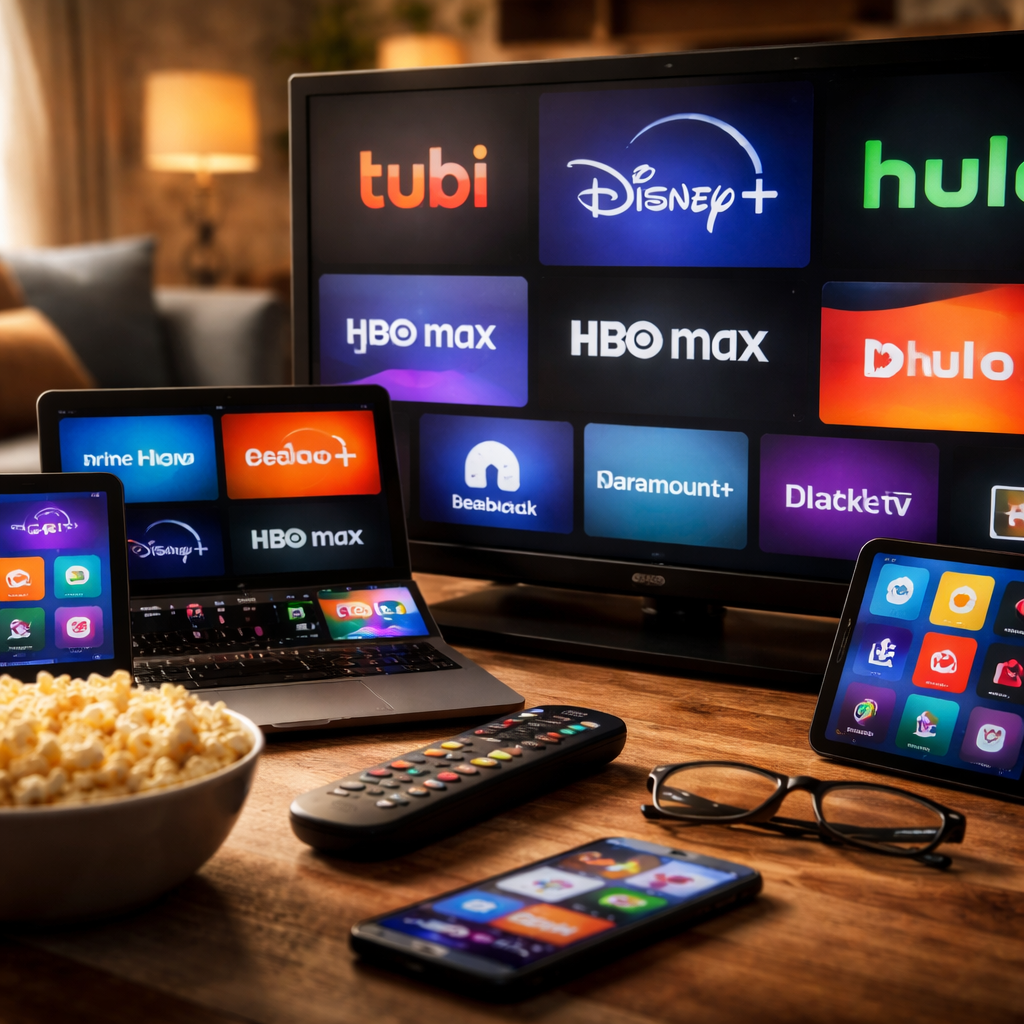
If you’re willing to pay but want something that fits better than Netflix, the paid streaming market offers several compelling options with distinct strengths.
| Service | Best for | Starting price (USD/month) |
|---|---|---|
| HBO Max (Max) | Premium TV dramas, Warner Bros. films | ~$9.99 (with ads) |
| Disney+ | Marvel, Star Wars, Pixar, National Geographic | ~$7.99 (with ads) |
| Apple TV+ | Original series with high production value | ~$9.99 |
| Hulu | Current TV episodes, diverse originals | ~$7.99 (with ads) |
| Amazon Prime Video | Broad library, included with Prime membership | Included with Prime (~$14.99) |
| Paramount+ | CBS content, sports, Paramount films | ~$5.99 (with ads) |
Each of these platforms has carved out its own identity. Max is the go-to for prestige television — if you care about acclaimed drama series, it consistently delivers. Apple TV+ spends heavily per title and keeps its library curated rather than bloated. Hulu remains one of the few services where you can watch current-season network TV the day after it airs.
Niche services for specific interests
Beyond the mainstream players, a category of specialized streaming services often flies under the radar but delivers exceptional value for the right viewer.
- Mubi — curated arthouse and international cinema, rotating a new film daily. Beloved by cinephiles who are tired of algorithm-driven recommendations.
- Shudder — horror-focused platform with originals, classics, and festival favorites. One of the strongest genre-specific services available.
- Criterion Channel — a must for film enthusiasts, featuring a meticulously assembled collection of classic and independent films with supplementary essays and interviews.
- Crunchyroll — the dominant platform for anime, with a vast library of subtitled and dubbed series updated weekly as shows air in Japan.
- BritBox — British television content from the BBC, ITV, and Channel 4, including dramas, comedies, and mysteries not easily found elsewhere.
These services typically cost less than Netflix while delivering a more focused experience. If you watch a specific type of content regularly, a niche platform often outperforms a generalist service in both depth and discovery.
A smarter approach: rotating subscriptions
One strategy that’s growing in popularity is the rotating subscription model — subscribing to one or two services for a month or two, finishing what you want to watch, then switching to a different platform. Most services allow easy cancellation without penalties, which makes this entirely practical.
The average household that rotates through three streaming services per year spends significantly less than one with two or three simultaneous subscriptions — while having access to more total content over the course of the year.
Pair this approach with one free platform like Tubi for the gaps between paid subscriptions, and you essentially eliminate any dead periods in your viewing schedule without overspending.
What actually matters when choosing a streaming service
Before committing to any platform, it helps to ask a few direct questions about your own habits:
- Do you watch content alone or with family? Family households often get better value from Disney+ or Hulu bundles.
- How many hours per week do you actually stream? Low viewers benefit most from cheaper or free options.
- Do you prefer binge-watching full seasons or following ongoing series week to week? This affects whether you want a fully stocked library or a service that drops new episodes regularly.
- Are you interested in live sports or news? Standard streaming services won’t cover this — Peacock, Paramount+, and ESPN+ are among the few that do.
- Do you travel internationally? Content libraries vary significantly by country due to licensing, so global availability matters if you stream abroad often.
Taking ten minutes to honestly answer these questions will do more for your streaming satisfaction than any comparison article — including this one. The best service is always the one that matches how you actually watch, not how you imagine you might.
The streaming world no longer revolves around one platform
Netflix built the modern streaming habit, but it no longer defines the ceiling of what the category can offer. Whether you’re drawn to prestige drama, international cinema, horror, anime, or just want something decent and free after a long day, there’s a service built for exactly that. The real shift happening right now isn’t about any single platform rising or falling — it’s about viewers becoming more intentional about where they spend their time and money, and realizing that one subscription was never the whole picture.