Every year, millions of travelers ask themselves: is it safe to visit Japan right now? The short answer is yes — Japan consistently ranks among the safest travel destinations in the world. But “safe” covers a lot of ground, and before you book your flights, it’s worth understanding what safety in Japan actually looks like in practice, from natural disaster preparedness to health standards and everyday street security.
What makes Japan stand out in terms of traveler safety
Japan’s reputation for safety isn’t just a tourism talking point — it’s backed by real data and deeply rooted cultural norms. The country regularly appears near the top of the Global Peace Index, and violent crime rates are exceptionally low by international standards. Tourists walking alone at night in major cities like Tokyo, Osaka, or Kyoto rarely face the kind of risks common in other metropolitan areas around the world.
One of the most striking things first-time visitors notice is the general sense of public order. Lost wallets get returned. Trains run on schedule. Strangers go out of their way to help tourists who look confused. This isn’t an accident — it reflects a collective social contract that locals take seriously and that benefits visitors directly.
Natural hazards: the one area that demands your attention
Japan sits on the Pacific Ring of Fire, which means seismic activity is simply part of life there. Earthquakes happen regularly — most are minor and barely noticed, but the country does experience significant seismic events. This is not a reason to avoid Japan; it is a reason to be informed.
Japan has one of the most advanced earthquake early-warning systems in the world. Alerts are broadcast through mobile phones, public speakers, and television within seconds of a tremor being detected.
Typhoon season typically runs from late summer into autumn, and certain coastal and mountainous regions may be affected. Volcanic activity is also monitored closely, and restricted zones are clearly marked and enforced. The key takeaway: Japan doesn’t ignore these risks — it manages them better than almost any other country on the planet.
Before traveling, it’s a smart habit to check advisories from your government’s foreign affairs department, not because Japan is dangerous, but because being aware of regional conditions helps you plan better. Apps like NHK World or Safety Tips Japan (the official app for tourists) provide real-time disaster alerts in multiple languages.
Health and hygiene: traveling with confidence
Japan’s healthcare infrastructure is excellent. Hospitals are well-equipped, pharmacies are widely available, and cleanliness standards in restaurants, public spaces, and transport are genuinely high. Tap water is safe to drink throughout the country, which is something many travelers are pleasantly surprised by.
| Health consideration | What to know |
|---|---|
| Tap water | Safe to drink in all major cities and most regions |
| Food safety | Very high standards; street food and restaurants are generally reliable |
| Pharmacies | Widely available; some international medications may require a prescription |
| Travel insurance | Strongly recommended; medical costs for foreigners can be significant without coverage |
| Vaccinations | No specific vaccinations required; standard travel health precautions apply |
One practical note: bringing a small supply of your regular medications is wise, since some common over-the-counter drugs in other countries are either unavailable or classified differently in Japan. Always carry a copy of your prescription if you rely on any specific treatment.
Getting around safely as a tourist
Japan’s public transportation system is famously reliable and easy to navigate, even for first-time visitors. The subway and rail networks in Tokyo, Osaka, and other major cities are well-signed in English, and station staff are generally helpful. Scams targeting tourists are rare compared to many other popular destinations.
That said, a few practical habits will make your trip smoother:
- Always keep a copy of your accommodation address in Japanese — it makes taxi rides much easier.
- Use IC cards (like Suica or Pasmo) for seamless transport across buses, subways, and some shops.
- Avoid peak rush hours on the subway if you’re not comfortable in very crowded spaces.
- Download offline maps before heading to rural areas where mobile coverage can be limited.
- Carry some cash — Japan is still largely cash-based outside of major tourist hubs.
Cultural awareness as a form of personal safety
This might sound unusual, but understanding local customs genuinely contributes to a safer and more comfortable trip. Japan is a country where social harmony matters, and certain behaviors — speaking loudly on the phone in trains, eating while walking, or misunderstanding local etiquette — can create friction that’s easily avoided with a little preparation.
Respecting local norms isn’t just about being polite — it signals to locals that you’re a thoughtful guest, which tends to invite more helpfulness and goodwill in return.
There are also areas where photography is restricted, particularly at shrines and in certain neighborhoods in Kyoto that have dealt with overtourism. Following posted guidelines keeps you out of trouble and helps preserve these places for future visitors.
Solo travelers and vulnerable groups: how Japan holds up
Japan is frequently cited as one of the best countries in the world for solo travel, including for women traveling alone. The combination of low crime, well-lit public spaces, reliable transport, and a culture of non-confrontation creates an environment where solo exploration feels genuinely comfortable.
Families with children will find Japan exceptionally accommodating — child-friendly facilities, safe pedestrian environments, and a culture that tends to be welcoming toward families make it an excellent destination for multigenerational trips. Older travelers or those with mobility needs should be aware that some older areas and traditional sites involve uneven terrain or stairs, though accessibility in urban centers has improved considerably.
Practical steps before you travel
- Check your government’s current travel advisory for Japan and note any region-specific guidance.
- Purchase comprehensive travel insurance that includes medical evacuation coverage.
- Register your trip with your country’s embassy or consular service if that option is available.
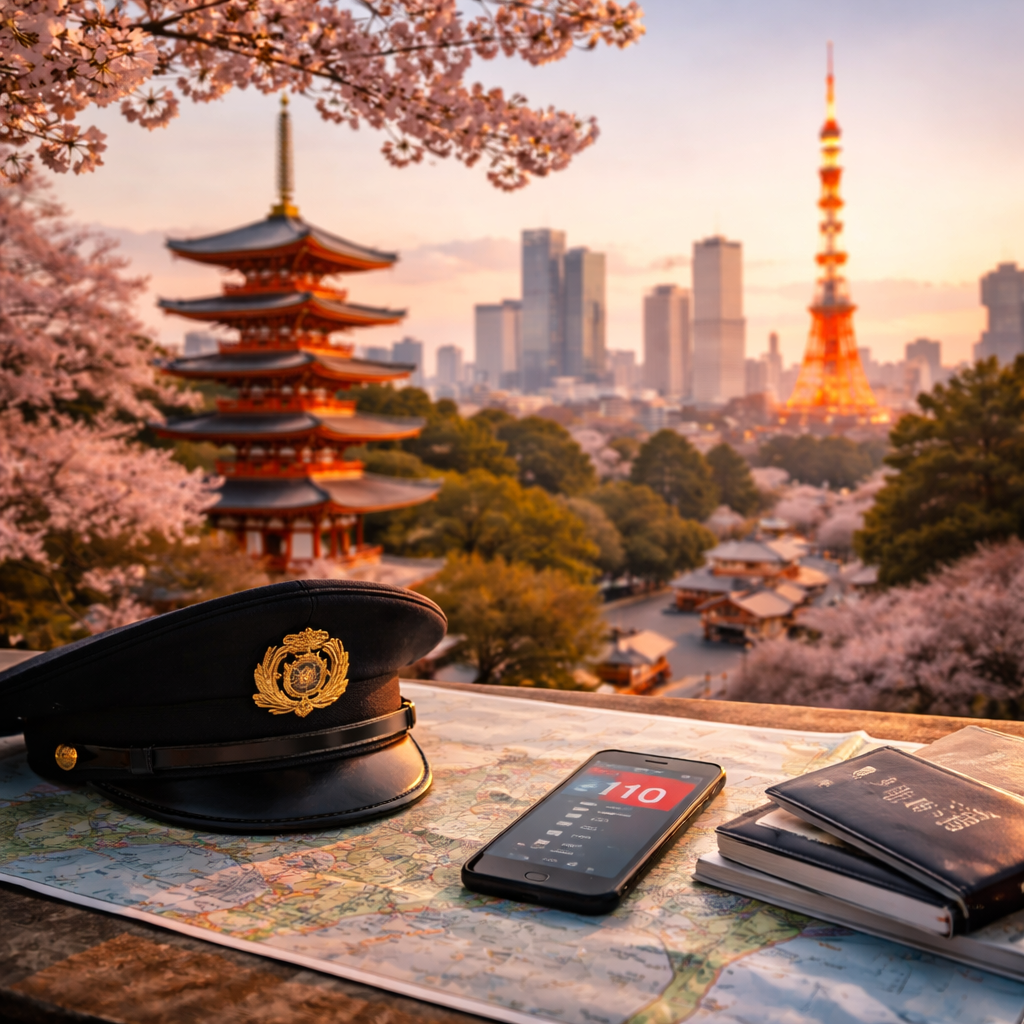
- Save emergency contact numbers: Japan’s emergency number is 110 for police and 119 for ambulance and fire.
- Download the Safety Tips Japan app, which delivers official disaster alerts in English and other languages.
Japan is ready for you — and you can be ready for Japan
Traveling to Japan is one of those experiences that tends to exceed expectations — and part of what makes it so enjoyable is precisely how safe and well-organized the environment feels. The combination of low crime, advanced infrastructure, world-class public health standards, and a genuinely respectful social culture creates conditions that are hard to match anywhere else.
Natural hazards are real but well-managed. Health risks are minimal with basic precautions. And the practical challenges of getting around are surprisingly easy to overcome. With a bit of preparation and cultural awareness, Japan offers an experience that is as secure as it is extraordinary. The question was whether you should go — the honest answer is that for most travelers, there’s very little standing in the way.