Most people wake up from a spider dream feeling unsettled, even if they can’t explain why — and that reaction alone tells you something worth paying attention to. Understanding what dream about spiders mean goes far beyond folklore or superstition: it touches on psychology, personal associations, and the specific details your sleeping mind chose to construct.
Why spider dreams feel so loaded
Spiders occupy a strange place in the human psyche. They’re builders and predators at the same time. They appear in the mythology of dozens of cultures — from Anansi in West African tradition to Arachne in Greek myth — almost always linked to creativity, fate, and the idea that something hidden is being woven just out of sight. So when a spider shows up in your dream, your brain is likely drawing on a deep reservoir of symbolic meaning, whether you’re consciously aware of it or not.
Dream interpretation isn’t a precise science, but researchers in the field of sleep psychology, including work building on Carl Jung’s concept of archetypes, suggest that recurring dream symbols often reflect unresolved emotional tension, creative energy, or anxiety patterns the waking mind tends to suppress. Spiders, specifically, tend to cluster around themes of control, entrapment, and intricate planning.
What the spider was doing matters more than the spider itself
One of the most common mistakes people make when trying to interpret a spider dream is focusing on the creature rather than the action. The context of the dream shifts the meaning dramatically.
| Dream scenario | Common psychological association |
|---|---|
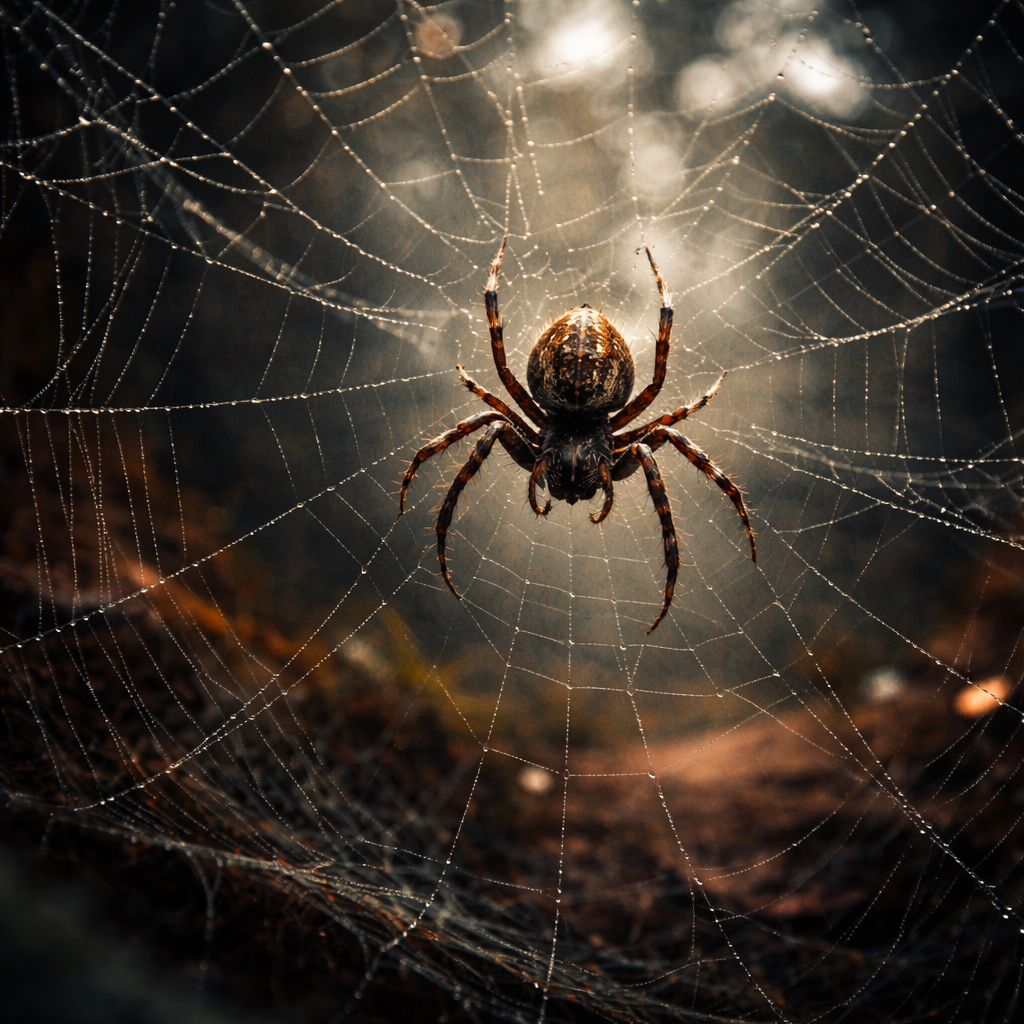
| Spider spinning a web | Creative energy, planning something complex, or feeling like you’re being drawn into a situation |
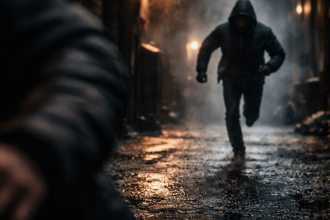
| Spider chasing you | Avoidance of a problem or person; something you’re not ready to confront |
| Being bitten by a spider | Feeling betrayed, manipulated, or that a situation has consequences you didn’t anticipate |
| Killing a spider | Desire to eliminate a source of anxiety; overcoming a fear or a controlling influence |
| A large spider watching you | Feeling observed or judged; a powerful figure in your life (often feminine, per Jungian analysis) |
| Spider web without a spider | A trap or obligation that feels present even when no one is actively enforcing it |
These aren’t fixed meanings — they’re starting points. The real interpretive work happens when you cross-reference the imagery with what’s currently happening in your waking life.
The fear factor: when the dream is about the phobia, not the symbol
Arachnophobia is one of the most common specific phobias worldwide. If you have a genuine fear of spiders, your dream may simply be your nervous system processing that anxiety rather than delivering a symbolic message. This distinction matters.
Dreams about feared objects are often the brain’s way of running exposure simulations in a safe environment — a kind of low-stakes rehearsal for dealing with anxiety triggers.
If spider dreams are frequent and always frightening, that’s worth noting — not because the dream itself is a warning, but because it may be pointing to an anxiety level that deserves attention in your waking life as well.
Cultural and personal context changes everything
Western interpretations of spider dreams often lean toward themes of manipulation, entrapment, or a domineering presence — sometimes associated with an overbearing mother figure or a controlling relationship. Eastern traditions, on the other hand, frequently read spiders as symbols of good luck, patience, and prosperity.
Your own history with spiders, and your personal relationship to concepts like patience, control, and creativity, will color the meaning more than any fixed cultural framework. Someone who spent years building something intricate — a business, a piece of art, a difficult relationship — may dream of a spider web as a direct reflection of their own labor, not as something threatening at all.
Spider color and size: small details, bigger clues
Dreams often work through sensory exaggeration. A spider that feels unnaturally large or an unusual color tends to signal that your subconscious is amplifying whatever emotional theme the spider represents.
- Black spider: often linked to the unknown, hidden fears, or things left unacknowledged
- White spider: less common; sometimes associated with purity, clarity, or spiritual themes depending on cultural background
- Red spider: urgency, passion, or danger — something demanding immediate attention
- Giant spider: the emotional weight of a situation that feels overwhelming or impossible to escape
- Tiny spider: a minor irritant or small worry that you might be disproportionately focused on
None of these interpretations are universal rules. They’re best used as prompts — a way to start asking the right questions about what your mind might be processing.
When spider dreams keep coming back
A single spider dream is easy to dismiss. A recurring one is harder to ignore and arguably shouldn’t be. Repetitive dream imagery is generally understood in sleep research as the mind’s attempt to flag something unresolved — a stressor, a decision being postponed, or an emotional pattern that hasn’t been fully processed.
If spiders keep appearing in your sleep, it’s worth asking yourself a few honest questions: Is there a situation in your life where you feel caught or entangled? Is someone in your circle exerting control in ways that feel subtle but persistent? Are you in the middle of building something complex that’s generating more anxiety than excitement?
The answers won’t come from the dream itself — but the dream may be what finally prompts you to ask.
The web holds more than you think
Spider dreams tend to unsettle people precisely because they feel significant — and that instinct isn’t entirely wrong. Whether the dream reflects creative tension, a fear you’re avoiding, a relationship that’s grown complicated, or simply an anxiety your waking mind is too busy to sit with, the image of a spider carries emotional weight for a reason.
Rather than searching for a single definitive meaning, treat the dream as an invitation to slow down and look at what’s currently being woven in your own life. Sometimes the most useful question isn’t what the spider means — it’s what you did in the dream when you saw it.