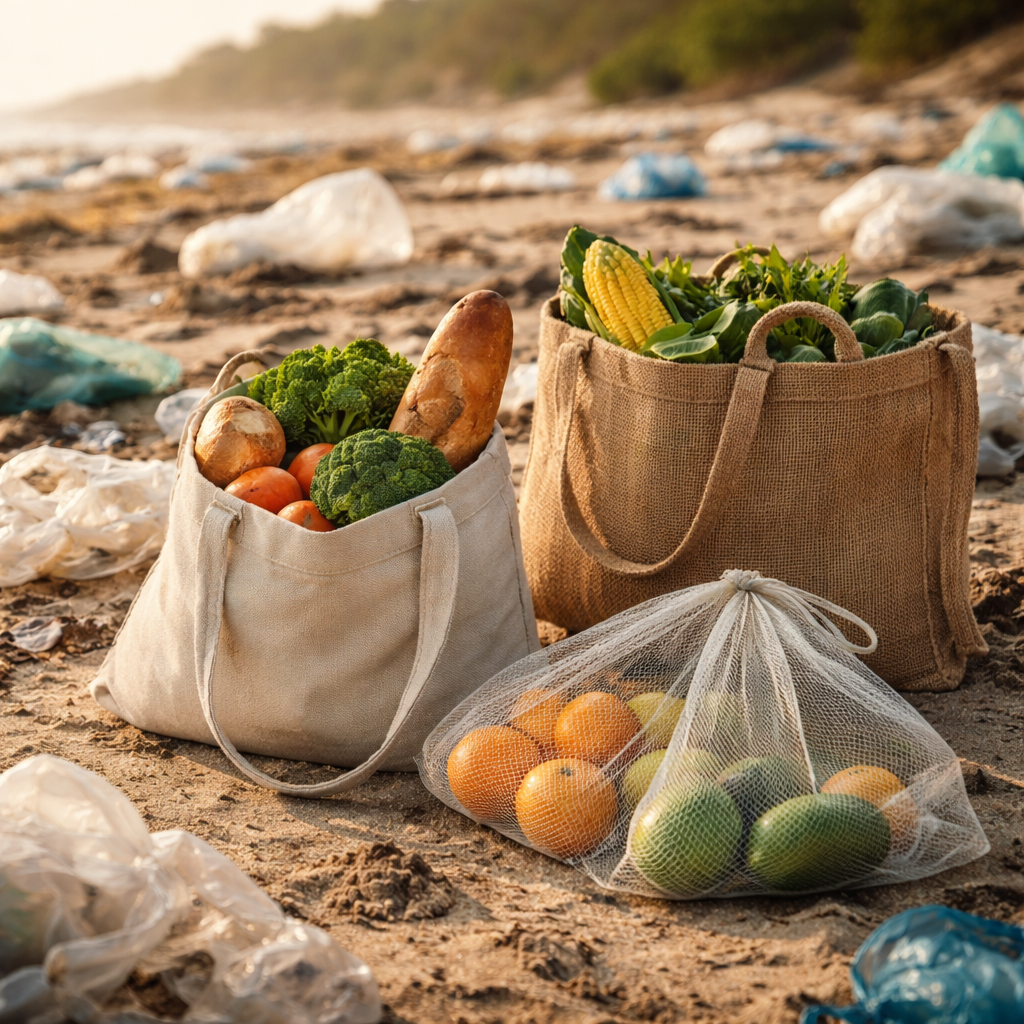
Every year, roughly five trillion plastic bags are used worldwide — and most of them end up in landfills, oceans, or scattered across landscapes within minutes of being used. If you’ve been thinking about finding a reliable alternative to plastic bags, you’re not just making a personal choice — you’re joining a growing wave of people who’ve realized that small, consistent switches genuinely add up to something significant.
Why the material matters more than you think
It’s easy to assume that any reusable bag automatically solves the problem. But not all alternatives are created equal. The environmental footprint of a bag depends on how it’s made, what it’s made from, how long it lasts, and what happens to it at the end of its life. A cotton tote, for example, needs to be used dozens — sometimes hundreds — of times before it offsets the resources required to produce it. That doesn’t make it a bad choice, it just means durability and actual usage frequency matter enormously.
Understanding this pushes the conversation beyond the simple “just switch to reusable bags” advice. Let’s look at what’s actually available, what each option genuinely offers, and where each one falls short.
The main options and what sets them apart
There are more alternatives on the market today than ever before, spanning natural materials, recycled synthetics, and plant-based innovations. Here’s a grounded breakdown:
| Type | Material | Best for | Lifespan |
|---|---|---|---|
| Cotton tote bag | Organic or conventional cotton | Grocery shopping, everyday carry | Several years with regular use |
| Jute bag | Natural plant fiber | Heavy loads, farmers markets | 2–5 years |
| RPET bag | Recycled plastic bottles | Lightweight shopping, travel | 3–5 years |
| Beeswax wraps | Cotton + beeswax | Food storage, wrapping | Up to 1 year |
| Mesh produce bags | Organic cotton or recycled nylon | Fruit, vegetables | 2–4 years |
| Compostable bags | PLA or starch-based materials | Bin liners, food waste | Single use, then composts |
Each of these fills a different role. The mistake most people make is looking for one perfect solution that covers everything — in reality, a combination of two or three options tends to work best depending on your lifestyle.
Cotton, jute, and natural fibers — the classics revisited
Woven and natural-fiber bags have been around far longer than plastic. Jute, in particular, is one of the most sustainable crop-based materials available — it grows quickly, requires minimal water, and biodegrades naturally. Jute bags are sturdy enough for heavy grocery runs and develop a pleasant worn-in quality over time.
Cotton bags, especially those made from organic cotton, are softer and more versatile. They can be washed in a standard washing machine, which keeps them hygienic for food shopping. The main thing to keep in mind is that conventional cotton farming is water-intensive, so opting for certified organic cotton makes a genuine difference if environmental impact is your priority.
“The best bag is the one you actually use repeatedly — not the one that looks the most eco-friendly hanging on a hook at home.”
Recycled and synthetic alternatives worth knowing about
RPET bags — made from recycled PET plastic, often sourced from reclaimed bottles — represent an interesting middle ground. They’re durable, water-resistant, and give new life to material that would otherwise be waste. They’re not biodegradable, but their production typically uses significantly less energy than virgin plastic or even some natural fiber alternatives.
For people who need something lightweight and foldable that fits in a jacket pocket, RPET bags are hard to beat practically. They’re also a solid choice for travel, where space and weight are real considerations.
Produce bags — the detail most people overlook
One area that often gets skipped in conversations about eco-friendly shopping is the thin plastic bags used for loose produce — fruits, vegetables, nuts, and so on. Switching your main shopping bag is great, but continuing to use dozens of single-use produce bags somewhat undermines the effort.
Reusable mesh produce bags made from organic cotton or recycled nylon solve this problem neatly. They’re breathable, washable, and light enough that they don’t affect the weight reading at checkout. Many come in sets of varying sizes, making them practical across different types of produce.
Compostable bags — useful, but read the label carefully
Compostable and biodegradable bags have expanded rapidly as an alternative for situations where single-use bags are genuinely necessary — bin liners being the most obvious example. These bags are typically made from PLA (polylactic acid, derived from corn starch) or other plant-based polymers.
However, there’s an important distinction to understand: most compostable bags require industrial composting conditions to break down properly. In a standard home compost bin or a landfill, they may persist much longer than expected. Bags certified to recognized composting standards (such as EN 13432 in Europe or ASTM D6400 in the US) are your most reliable choice, and checking your local waste management options before buying is genuinely worthwhile.
- Look for third-party certification labels, not just “biodegradable” claims on the packaging
- Check whether your local composting facility accepts certified compostable plastics
- Use compostable bags specifically for food waste and organic material
- Avoid storing them in hot or humid conditions, which can cause premature breakdown
Making the switch without overcomplicating it
The most effective approach isn’t about achieving perfection overnight. Start by identifying the two or three situations in your daily routine where you most regularly reach for a plastic bag — grocery shopping, produce, rubbish bins — and address those specifically. A jute or cotton bag for groceries, mesh bags for produce, and certified compostable bags for your kitchen bin covers most households completely.
Over time, these habits become automatic. The occasional forgotten bag or the plastic one you accept at a pharmacy stops feeling like failure and starts feeling like the exception rather than the rule — which, realistically, is exactly what it becomes. The goal is consistent reduction, not flawless compliance.
What genuinely moves the needle is having the right bags accessible and ready at the moment you need them. That’s less about willpower and more about setup — and that’s something entirely within your control.