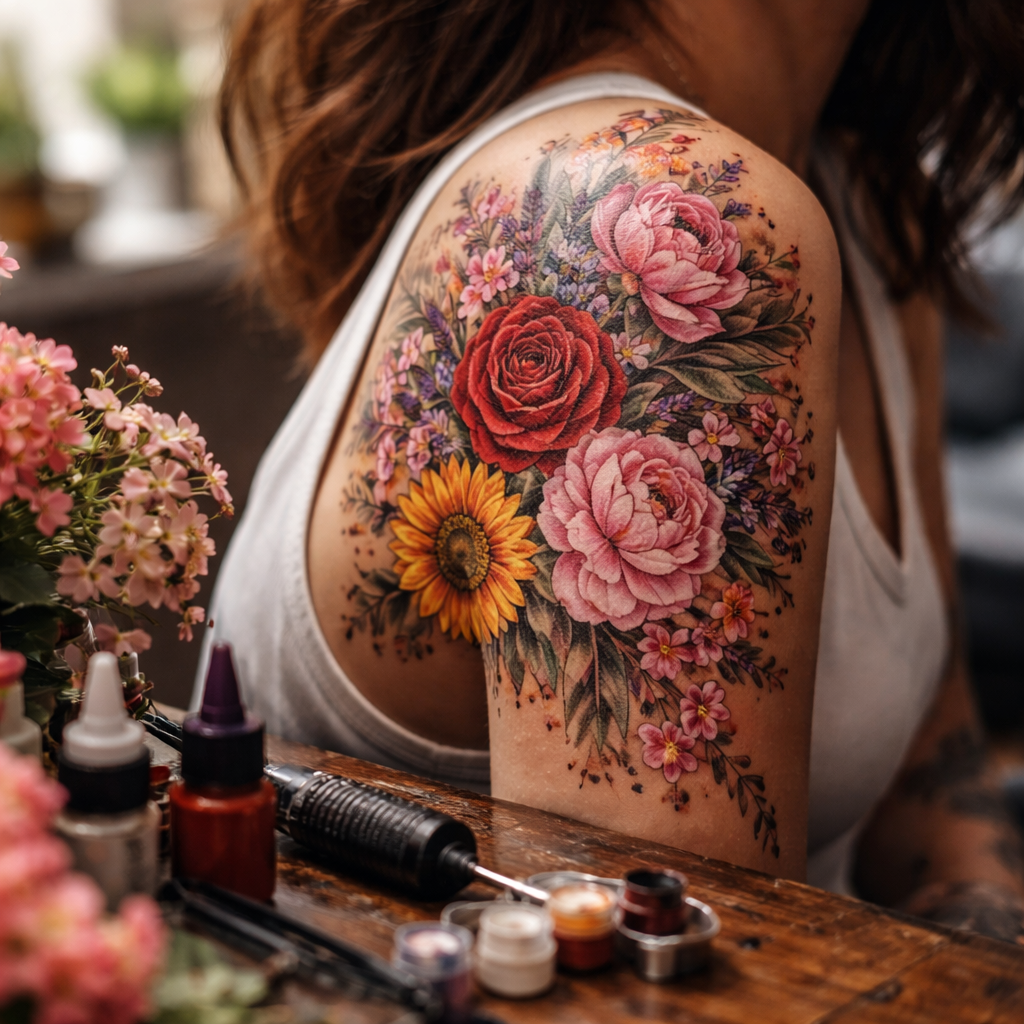
Choosing a flower tattoo isn’t just about picking something pretty — the meaning of flower tattoos runs surprisingly deep, and the same bloom can carry completely different messages depending on its color, placement, and cultural context. Before you sit down in the tattoo artist’s chair, it’s worth knowing what your chosen flower has actually symbolized across centuries and traditions.
Why flowers became one of the most universal tattoo symbols
Floral imagery has appeared in human art for thousands of years — from ancient Egyptian tomb paintings to Japanese woodblock prints. What makes flowers so enduring as tattoo subjects is their layered symbolism: they represent both beauty and impermanence, strength and fragility, love and grief. That emotional range is exactly why floral tattoos work for so many different people and occasions.
In Japanese tattooing, known as irezumi, flowers often appear alongside other nature motifs and carry specific seasonal meaning. A cherry blossom doesn’t just look elegant — it speaks directly to the Buddhist concept of mono no aware, the bittersweet awareness that beautiful things don’t last. Western tattoo traditions picked up floral symbolism largely through Victorian-era flower language, where specific blooms were used to send coded messages in bouquets.
What different flowers actually mean as tattoos
Not all flowers carry the same weight. Some are associated with romantic love, others with mourning, resilience, or transformation. Here’s a breakdown of the most commonly chosen flowers and the meanings they carry:
| Flower | Core symbolism | Common associations |
|---|---|---|
| Rose | Love, passion, balance | Red — deep love; black — grief or farewell; white — purity |
| Lotus | Rebirth, spiritual growth | Rising from difficulty; popular in Buddhist and Hindu traditions |
| Cherry blossom | Transience, beauty, renewal | Japanese culture; new beginnings, the passage of time |
| Sunflower | Loyalty, warmth, positivity | Devotion, following one’s own light |
| Peony | Honor, prosperity, good fortune | Widely used in Chinese and Japanese tattoo traditions |
| Lavender | Calm, healing, grace | Associated with serenity and feminine strength |
| Dahlia | Elegance, inner strength, change | Often chosen during life transitions |
| Marigold | Grief, remembrance, the sun | Memorial tattoos; also used in Día de los Muertos imagery |
It’s worth noting that cultural context shifts meaning significantly. A lotus tattoo in a Western context might simply represent personal growth, while in certain Buddhist traditions it carries a much more specific spiritual weight. If cultural symbolism matters to you, it’s worth doing a bit of research before committing.
How color changes the message entirely
The flower itself is only half the story — color does a lot of the work when it comes to tattoo symbolism. A red peony and a black peony tell very different stories, even though they share the same form.
- Red tones typically signal passion, energy, and strong emotion.
- Black and grey ink often leans into themes of loss, mystery, or timelessness.
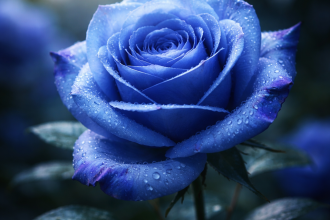
- Blue flowers — rare in nature — are frequently associated with the unattainable or deeply personal longing.
- White or minimalist outlines tend to convey simplicity, purity, or new beginnings.
- Yellow and orange shades bring warmth, joy, and optimism into the design.
This is why discussing color with your tattoo artist early in the process matters — even if you’re going greyscale, the shading choices will affect how the symbolism reads to others and to yourself over time.
“A tattoo is a permanent piece of art, but its meaning is a living thing — it shifts as you grow, as you grieve, as you change. Choose something that feels true to you now, but also leaves room for what you’ll become.”
Placement and its role in floral tattoo meaning
Where you wear a floral tattoo adds another layer of personal symbolism. Placement choices are deeply individual, but some patterns have emerged across tattoo culture:
- Chest and sternum placements often signal that the tattoo is close to the heart — emotionally significant, intimate, not meant for public display.
- Forearm and wrist tattoos tend to be more expressive and outward-facing — something the wearer wants to see and share.
- Spine or back placements are frequently chosen for larger floral pieces that tell a longer visual story.
- Behind the ear or ankle tattoos often feel like personal little secrets — small symbols that carry private meaning.
There’s no rule that says a sunflower on your shoulder means something different from one on your calf — but many people find that thinking about placement as part of the overall meaning helps them feel more connected to the finished tattoo.
A few things to consider before choosing your flower
If you’re still in the research phase, these questions can help narrow down your direction:
- Is there a flower that appears in your family history, cultural background, or a meaningful memory?
- Are you drawn to a bloom for its visual shape, or because of what it represents?
- Do you want the symbolism to be widely understood, or personal enough that only you know the full story?
- Does the flower’s meaning align with a chapter of your life you’re processing, celebrating, or marking?
A good tattoo artist who specializes in botanical or floral designs will also often be a useful sounding board. Many are well-versed in floral symbolism across different traditions and can help you find a visual direction that feels authentic rather than generic.
When a flower is just a flower — and that’s enough
There’s a tendency in tattoo culture to assume every piece needs a profound backstory. The reality is that some people choose a dahlia because they find it structurally beautiful, or a cherry blossom because it reminds them of a specific spring afternoon. That’s completely valid. A tattoo doesn’t have to justify itself through symbolism to be meaningful — sometimes aesthetic joy is the whole point.
That said, if you’re specifically drawn to floral tattoos because you want to carry a symbol with you, the depth of meaning available in this category is remarkable. From ancient mythology to contemporary tattoo artistry, flowers have been doing the work of expressing what words sometimes can’t — and that tradition isn’t going anywhere.