You open the pantry and find a bag of potatoes covered in long, pale sprouts — and the question hits immediately: is it safe to eat potato sprouts, or should the whole batch go straight into the bin? The answer is more nuanced than a simple yes or no, and understanding the chemistry behind it can save you food, money, and potential discomfort.
What actually happens when a potato sprouts
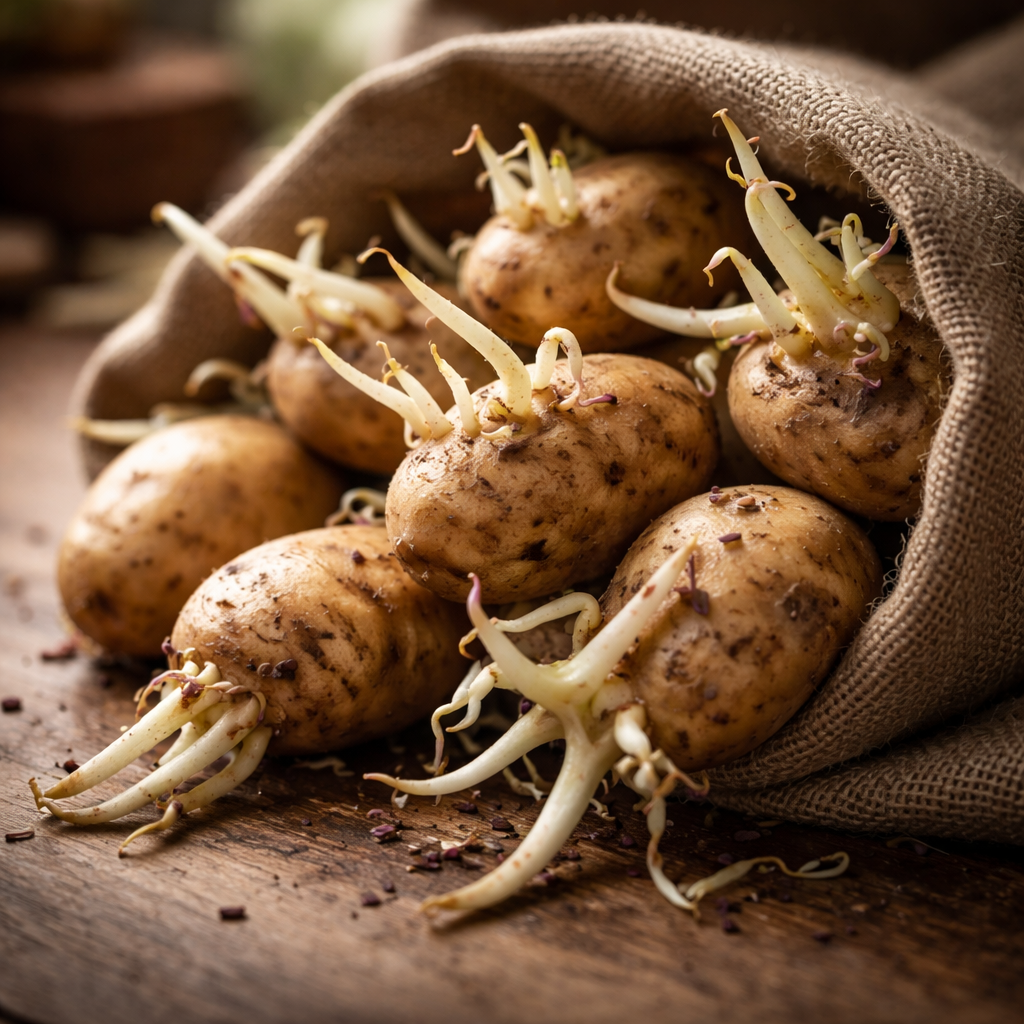
Sprouting is a natural biological process. When a potato is exposed to warmth, light, or moisture, it begins converting its stored starches into sugars to fuel new growth. The sprouts themselves are essentially the beginnings of a new plant — which is why they draw nutrients away from the tuber and leave it looking shriveled over time.
The real concern is not the sprouts visually but what they carry chemically. As potatoes sprout, they produce higher concentrations of glycoalkaloids — naturally occurring toxic compounds, most notably solanine and chaconine. These substances are part of the potato plant’s natural defense system against insects and pathogens. In small amounts they are largely harmless, but in larger doses they can cause real problems for humans.
Solanine: the compound worth knowing about
Solanine is present in all parts of the potato plant — leaves, stems, unripe green flesh — but it concentrates particularly in the skin and just beneath it, and spikes dramatically around the eyes and sprouts. The safe threshold considered acceptable in potatoes is generally below 200 mg per kilogram of fresh weight. Heavily sprouted or green potatoes can exceed this level significantly.
Symptoms of solanine toxicity include nausea, vomiting, stomach cramps, diarrhea, and in more serious cases, neurological effects such as headaches, dizziness, and confusion. The good news is that reaching a genuinely dangerous dose from a single meal is uncommon in healthy adults — but it is not impossible, especially for children or people with a smaller body mass.
Solanine is not destroyed by cooking. Boiling, frying, or baking a sprouted potato does not eliminate the glycoalkaloids — it only changes the texture of the food, not its chemical composition.
When a sprouted potato is still usable
Not every sprouted potato deserves to be thrown away. The key factors are the extent of sprouting, the condition of the flesh, and whether the potato has turned green. Here is a practical breakdown:
- Small, firm sprouts on an otherwise firm potato: snap off the sprouts entirely, cut out the surrounding eye area generously, and the remaining flesh is generally considered safe to eat.
- Long, well-developed sprouts with slightly soft flesh: the glycoalkaloid concentration has likely spread further into the tuber. Remove the sprouts, peel thickly, and discard any green or soft areas before using.
- Green-tinged skin or flesh: this coloration indicates chlorophyll development alongside elevated solanine. Cut away all green portions deeply — not just a thin scrape — before cooking.
- Shriveled, hollow, or mushy potato: the tuber has lost too much moisture and nutrition. At this stage the risk-to-reward ratio simply does not justify eating it.
The rule of thumb used by food safety professionals is straightforward: when in doubt, cut it out. A generous peel and careful removal of the sprout base is far more effective than a thin scrape.
| Potato condition | Safe to eat? | Recommended action |
|---|---|---|
| Tiny sprouts, firm flesh, no greening | Yes, with preparation | Remove sprouts and eyes, peel normally |
| Long sprouts, slightly soft, no green | Possibly, with caution | Remove sprouts, peel thickly, cut soft areas |
| Green skin or flesh, any sprout size | Conditionally | Cut away all green areas deeply before cooking |
| Mushy, hollow, or very shriveled | No | Discard entirely |
A note on children and sensitive individuals
Children are more vulnerable to solanine because of their lower body weight relative to the dose. What might cause only mild stomach upset in an adult can produce more significant symptoms in a child. The same applies to pregnant women, older adults, and anyone with a compromised digestive system. For these groups, it is better to avoid heavily sprouted potatoes altogether rather than trying to salvage them through cutting.
Pets — particularly dogs and cats — should never be given sprouted or green potatoes. Their tolerance for glycoalkaloids is considerably lower than that of humans.
How to store potatoes so they stop sprouting so fast
Prevention is easier than managing the problem after it appears. Potatoes sprout fastest when stored in warm, bright, or humid conditions. A few adjustments to storage habits can significantly extend their shelf life:
- Store in a cool, dark, well-ventilated place — ideally between 7°C and 10°C (45°F to 50°F). A cellar or a cool pantry shelf works well. The refrigerator is generally too cold and converts starches to sugars more rapidly, which affects flavor.
- Keep potatoes away from onions. Both release gases that accelerate each other’s deterioration.
- Do not wash potatoes before storing — moisture speeds up decay and sprouting.
- Store in paper bags, mesh sacks, or cardboard boxes rather than sealed plastic, which traps moisture.
- Placing an apple near potatoes is a folk remedy that some sources suggest may help slow sprouting due to ethylene gas regulation — though this has limited scientific backing and results may vary.
Buying potatoes in smaller quantities more frequently is often more practical than purchasing a large bag and watching half of it sprout before you get to it.
What the sprouts themselves tell you
There is one more thing worth mentioning. The sprouts growing out of a potato are, technically, edible plant material — but they contain the highest concentration of glycoalkaloids in the entire tuber. Eating the sprouts themselves, even after cooking, is not recommended. Some people have tried incorporating them into dishes out of curiosity or a desire to reduce waste, but this is one of those cases where the potential downside genuinely outweighs the benefit.
The potato itself, after proper preparation, remains one of the most nutritious and versatile foods in any kitchen — rich in potassium, vitamin C, vitamin B6, and dietary fiber. The goal is simply to understand where the line sits between a potato worth preparing and one that has gone too far. That line is clearer than most people assume, and now you know exactly where it is.