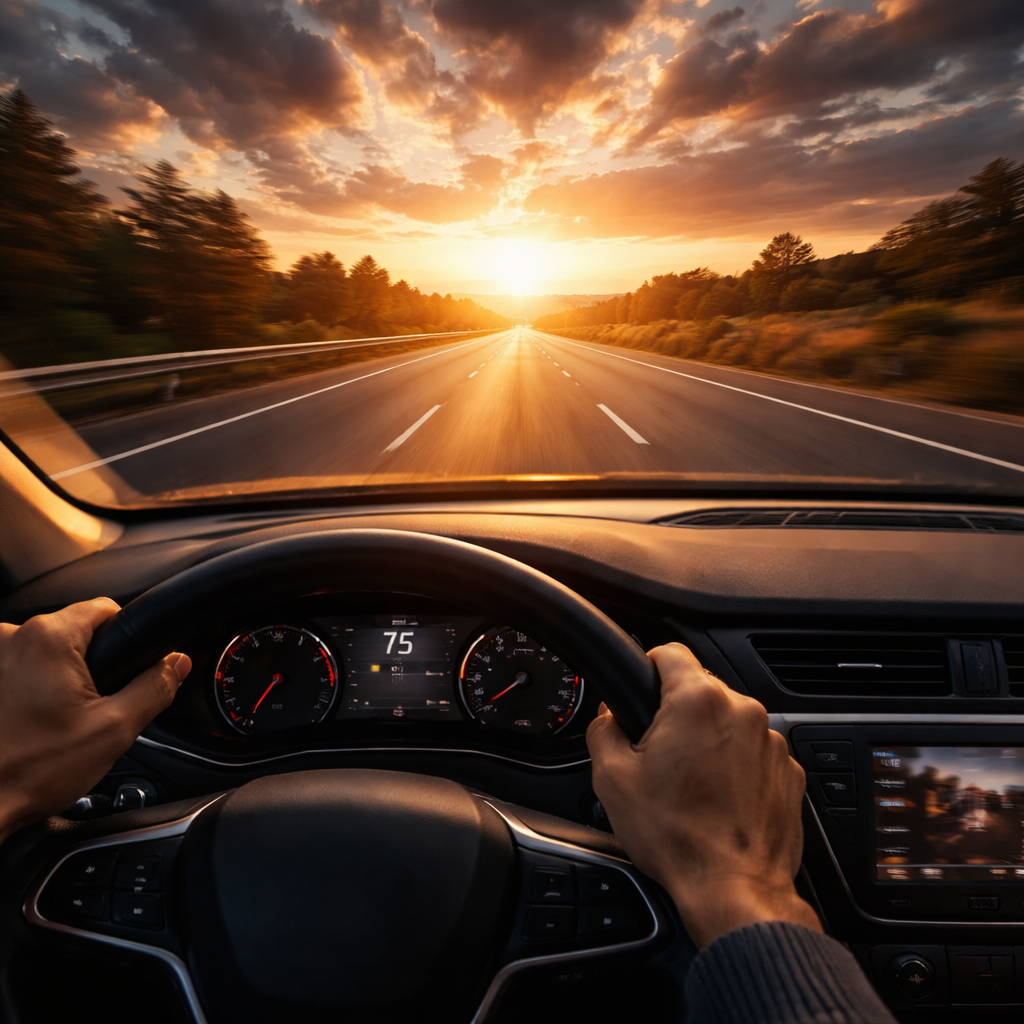
Most people wake up from a dream about driving with a lingering sense that something important just happened — and they’re not wrong. Whether you were speeding down an empty highway, struggling to steer, or sitting in the passenger seat watching someone else take the wheel, these dreams carry layers of meaning that connect directly to your waking life. What dream about driving mean depends heavily on the details, and those details matter more than you might think.
Why driving appears in dreams so often
Driving is one of the most universal modern experiences. It involves control, direction, speed, and decision-making — all of which are deeply tied to how we navigate real-life challenges. Dream researchers and psychologists suggest that recurring themes in dreams often mirror the emotional and psychological pressures a person is processing. Because driving involves so much active responsibility, the subconscious mind reaches for it as a metaphor when working through questions of autonomy, confidence, or anxiety.
It’s worth noting that driving dreams don’t always signal something negative. Sometimes they reflect a sense of momentum and clarity in life. The emotional tone of the dream — how you felt while driving — is often the most reliable clue.
Common driving dream scenarios and what they suggest
Different situations behind the wheel carry different symbolic weight. Here’s a breakdown of the most commonly reported driving dream scenarios and the interpretations that appear most frequently in psychological and dream analysis literature:
| Dream scenario | Possible interpretation |
|---|---|
| Driving confidently on a clear road | Feeling in control of your life path, clarity about goals |
| Losing control of the vehicle | Anxiety about losing direction, overwhelm in waking life |
| Brakes not working | Inability to stop a situation or feeling powerless |
| Someone else is driving | Feeling that others are making decisions for you |
| Driving at night or in fog | Uncertainty about the future, lack of clear vision |
| Driving off a cliff or into water | Fear of failure or stepping into the unknown |
| Being a passenger but wanting to drive | Desire for more control or independence |
These scenarios aren’t absolute rules — context always matters. A dream where your brakes fail might feel terrifying to one person and almost freeing to another, and that emotional response shifts the interpretation significantly.
The psychology behind the wheel
From a psychological standpoint, vehicles in dreams are widely interpreted as symbols of the self or the life journey. Carl Jung’s framework of dream symbolism, which remains influential in modern dream analysis, treated the car as an extension of the ego — the part of you that navigates the external world. When something goes wrong with the car in a dream, it may reflect a sense that your personal drive or motivation is somehow compromised.
“The vehicle in a dream often represents how we see ourselves moving through life — the condition of the car, who’s steering, and the road ahead all speak to our sense of agency and direction.”
This perspective is echoed by contemporary sleep researchers who note that emotionally charged memories and unresolved decisions tend to resurface during REM sleep — often in symbolic, story-like form. Driving is the perfect metaphor because it compresses so many life themes into a single activity.
What your role in the dream reveals
One detail that many people overlook is whether they were the driver or the passenger. This distinction carries real interpretive weight:
- Driving the car yourself often points to a sense of personal responsibility, leadership, or active decision-making in some area of life.
- Being a passenger while someone else drives may reflect dependency, trust issues, or a feeling that circumstances — or other people — are dictating your choices.
- Switching between driver and passenger during the dream can suggest inner conflict about how much control you want to take in a situation.
- Driving a car that belongs to someone else sometimes connects to taking on roles or responsibilities that don’t feel authentically yours.
These interpretations become especially relevant when you’re going through a significant life transition — changing careers, ending a relationship, or navigating a major decision. The subconscious tends to use familiar imagery to work through unfamiliar territory.
When the road itself sends a message
The type of road in a driving dream is often just as meaningful as what happens on it. A smooth, open highway tends to be associated with optimism and forward momentum. A winding mountain road might reflect a challenging but navigable path. A road full of obstacles or sudden dead ends often mirrors frustration or blocked progress in real life.
Dreaming of driving in reverse is a particularly notable motif. It frequently appears during periods of regret, nostalgia, or situations where someone feels stuck replaying past events rather than moving forward. Similarly, dreams about driving on the wrong side of the road often come up when people feel like they’re going against social expectations or personal values.
Speed, crashes, and what they signal
Dreams about driving too fast are among the most reported in this category. Speed in dreams is typically tied to pacing — feeling like life is moving faster than you can process, or conversely, that you’re pushing yourself recklessly toward a goal. If the speeding feels exciting, it might reflect ambition and energy. If it feels out of control, it more likely points to stress or burnout.
Car crash dreams are understandably alarming, but they rarely predict actual accidents. More commonly, they reflect a fear of failure, anxiety about a collision of priorities, or concern that a situation in waking life is heading somewhere destructive. People going through high-stakes periods — job changes, family conflict, health concerns — report crash dreams with notably higher frequency.
The road, the wheel, and what it all comes back to
Ultimately, driving dreams are the mind’s way of asking a very direct question: do you feel like you’re in the driver’s seat of your own life? The details — the speed, the road, the passengers, the condition of the car — are the subconscious filling in the specifics of that question. Rather than treating these dreams as messages to decode literally, it’s more useful to treat them as emotional checkpoints.
If driving dreams appear frequently, it may be worth reflecting on where in life you’re feeling a lack of control, direction, or confidence. Not because a dream can diagnose a problem, but because the patterns we dream about most persistently often mirror what we’re not quite ready to face in daylight. And sometimes, recognizing that is exactly the nudge needed to take back the wheel.