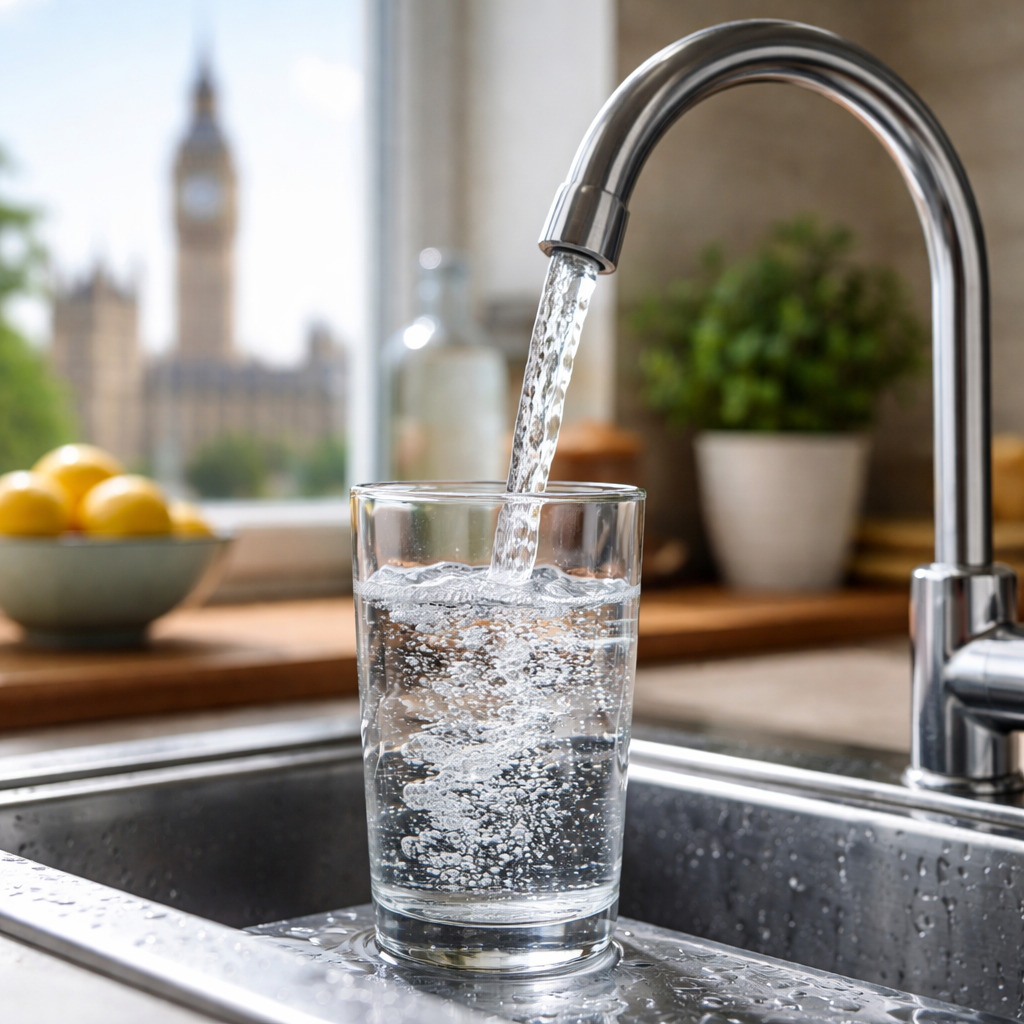
Every year, millions of tourists and newly arrived residents ask the same question: is it safe to drink tap water in London? The short answer is yes — but the full picture is worth understanding, especially if you’re sensitive to taste, have specific health concerns, or simply want to know what’s actually flowing from your faucet before you take a sip.
Where London’s tap water actually comes from
Most of London’s water supply comes from surface water sources — primarily the River Thames and the River Lee. Thames Water, the utility company responsible for the majority of the capital, collects raw water, treats it extensively, and pumps it through a vast network of pipes to homes and businesses across the city.
The treatment process typically involves several stages: coagulation and flocculation to remove suspended particles, filtration through sand and activated carbon, and finally disinfection using chlorine or chloramine. This multi-step approach is what makes London’s tap water legally safe to consume.
What the regulations actually say
Water quality in the UK is governed by the Drinking Water Inspectorate (DWI), an independent body that monitors compliance with strict legal standards. These standards are based on the EU Drinking Water Directive, which the UK has retained as domestic law. The DWI publishes annual reports on water quality, and London’s tap water consistently meets or exceeds the required limits for contaminants.
“Tap water in England and Wales is among the most tested and monitored food products in the country. Consumers can drink it with confidence.” — Drinking Water Inspectorate
The key parameters that are regularly tested include levels of nitrates, pesticides, heavy metals such as lead, microbiological content, and disinfection byproducts. All of these must fall within clearly defined limits before water reaches consumers.
The hardness factor — and why Londoners talk about it so much
One thing that genuinely sets London’s tap water apart from many other cities is its hardness. The water in the capital is classified as very hard, meaning it contains high concentrations of dissolved minerals — primarily calcium and magnesium carbonates. This is a result of the geological makeup of the region, where water passes through chalk and limestone before reaching reservoirs.
| Water Type | Calcium Carbonate (mg/L) | Found In |
|---|---|---|
| Soft | 0–100 | Scotland, Wales, parts of Northern England |
| Moderately Hard | 100–200 | Midlands, some rural areas |
| Very Hard | 200–300+ | London, South East England |
Hard water is not a health risk — in fact, calcium and magnesium are essential minerals for the human body. However, it does affect taste, and it’s the reason why kettles scale up quickly and why some people notice a slightly chalky aftertaste. If you’re coming from a city with naturally soft water, you’ll likely notice the difference immediately.
Lead pipes — a concern worth addressing honestly
One legitimate concern that comes up in any serious discussion about London’s tap water quality is the presence of older lead pipes. Many Victorian-era properties in the capital still have lead service pipes connecting the water main to the household plumbing. Thames Water has been working on a replacement programme, but it has not been completed across the entire network.
Lead can leach into water, particularly when it sits in pipes for an extended period. While treated water itself arrives lead-free at the boundary of your property, the journey through old household pipes can introduce trace amounts of this metal.
Chlorine taste and smell — harmless but noticeable
Another common complaint from both residents and visitors is the faint smell or taste of chlorine in London’s tap water. Chlorine is added as a disinfectant to keep water safe during its journey through the distribution network, and at the concentrations used in the UK, it poses no health risk whatsoever.
If the taste bothers you, there are simple solutions that don’t require buying bottled water:
- Fill a jug and leave it uncovered in the fridge for an hour — chlorine naturally dissipates
- Use a basic activated carbon filter jug, which removes chlorine taste and improves overall flavour
- Drink cold water rather than room temperature, as the taste is less pronounced when chilled
Bottled water vs. tap water in London — what you’re actually choosing between
It’s worth being direct about this: for the vast majority of people in London, bottled water offers no meaningful health advantage over tap water. Both are regulated, both are tested — but bottled water generates plastic waste, costs significantly more, and often has a larger carbon footprint due to transportation.
The preference for bottled water in cities with safe tap supplies is largely driven by taste perception and marketing rather than actual safety concerns. That said, individual circumstances matter. If you are pregnant, immunocompromised, or have a very young infant, it’s worth consulting your GP about your specific situation — not because tap water is inherently dangerous, but because personal health factors can warrant additional precautions in any dietary context.
What you can do to get the most out of your tap
London’s tap water is genuinely one of the city’s underrated conveniences. It is safe, consistently monitored, and freely available — and a few small habits can make it even more enjoyable to drink on a daily basis.
- Keep a reusable water bottle and refill it at home or at one of the city’s free water refill stations
- Descale your kettle regularly — limescale doesn’t affect safety but does affect taste and appliance longevity
- If you’re renting an older property, ask your landlord whether the internal pipework has been checked or updated
- Check Thames Water’s online postcode checker to see specific water quality data for your area
London invests significantly in its water infrastructure, and the result is a product that comes out of the tap clean, tested, and ready to drink. A little awareness of your own home’s plumbing, combined with the simple tricks above, is all most people need to drink confidently without spending a penny on bottled alternatives.