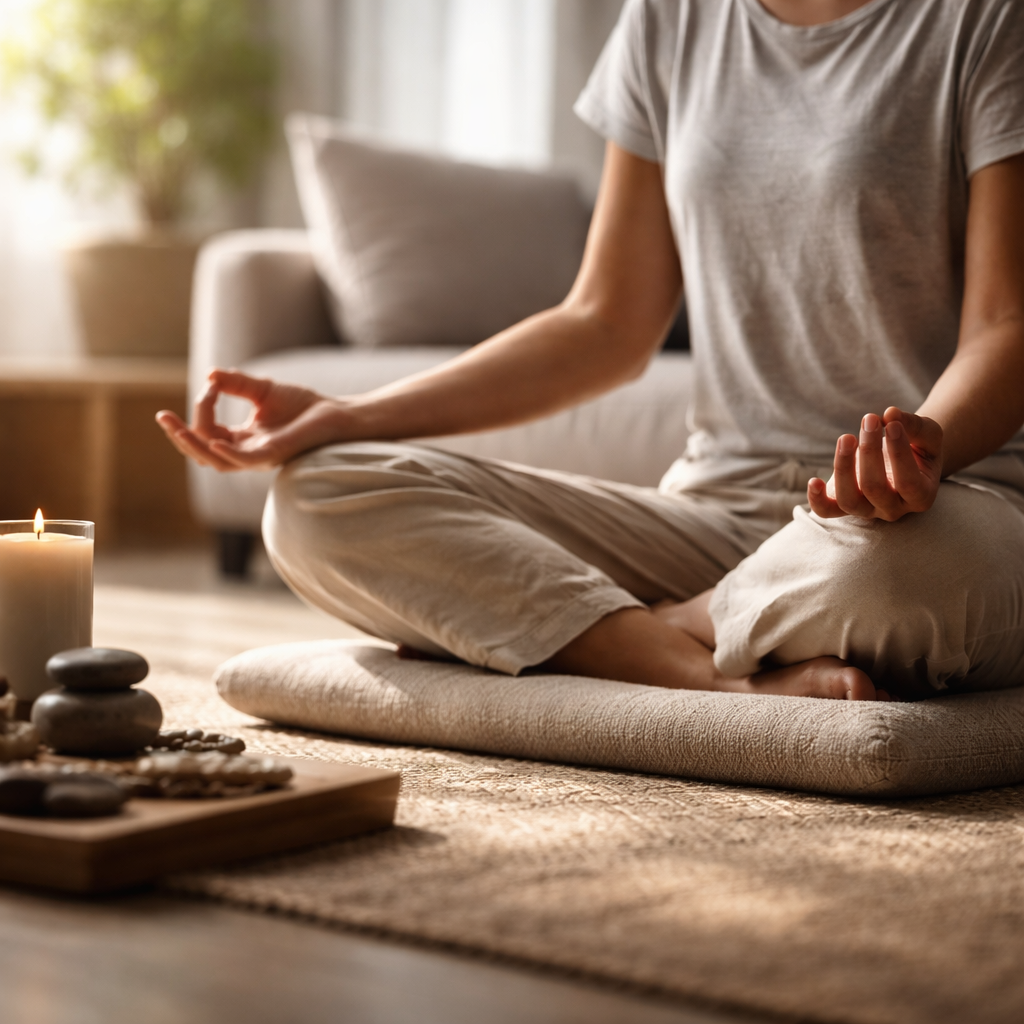
Most people who try to learn how to meditate give up within the first two weeks — not because meditation is hard, but because no one told them what to actually expect. Your mind will wander. That’s not failure. That’s the practice itself.
What meditation actually is (and what it isn’t)
There’s a widespread misconception that meditating means emptying your mind completely. In reality, meditation is a mental training practice — a deliberate act of directing your attention and noticing when it drifts. Research from institutions like Harvard Medical School has shown that regular meditation physically changes the structure of the brain, particularly in areas linked to attention, emotional regulation, and self-awareness.
It doesn’t require incense, special cushions, or a silent mountain retreat. What it does require is a few minutes of consistent practice and a willingness to observe your own mind without judgment.
Choosing a meditation style that fits your life
Before sitting down and closing your eyes, it helps to understand that “meditation” is an umbrella term covering dozens of distinct techniques. The approach you choose should match your current goals, lifestyle, and attention span.
| Technique | Best for | Session length |
|---|---|---|
| Focused attention (breath-based) | Beginners, stress reduction | 5–15 minutes |
| Body scan | Tension release, sleep improvement | 10–20 minutes |
| Loving-kindness (Metta) | Emotional wellbeing, compassion | 10–15 minutes |
| Open monitoring | Experienced practitioners, creativity | 15–30 minutes |
| Mantra-based | Those who struggle with silence | 10–20 minutes |
If you’re just starting out, breath-based meditation is the most accessible entry point. It requires nothing external — only your own breathing cycle as an anchor for your attention.
A practical step-by-step approach for beginners
Setting up the right conditions isn’t about perfection — it’s about reducing friction. Here’s a straightforward sequence that works for most people starting from scratch:
- Choose a consistent time. Morning tends to work well because the mind hasn’t yet accumulated the day’s mental noise. Evening works if morning feels too rushed.
- Sit comfortably — on a chair, cushion, or the floor. The key is keeping your spine relatively upright so you don’t fall asleep.
- Set a timer. Start with 5 minutes. Removing the need to check the clock eliminates a major distraction.
- Close your eyes and bring your attention to your breath. Notice the sensation of air entering and leaving your nostrils, or the rise and fall of your chest.
- When your mind wanders — and it will — simply return your focus to the breath. No frustration needed. That act of returning is the actual exercise.
- When the timer ends, take a moment before jumping up. Notice how you feel compared to when you sat down.
“You don’t have to be in a state of calm to meditate. You meditate to find your way back to calm.” — a sentiment echoed by virtually every credible mindfulness teacher working today.
The obstacles that trip people up — and how to move past them
Even with a solid technique, most beginners hit the same predictable walls. Knowing about them in advance makes them far less discouraging.
Restlessness
The first few sessions often feel uncomfortable — not peaceful. Your body isn’t used to stillness. This is completely normal and usually passes within a week or two of regular practice. Pushing through this phase is where most of the benefit begins.
Doubt about whether it’s “working”
Meditation doesn’t feel dramatic. You won’t hear bells or experience sudden clarity after your first session. The effects are cumulative and subtle — better sleep, slightly less reactive emotions, a bit more mental space before responding to stress. These changes show up in daily life, not during the session itself.
Inconsistency
Missing days is part of the process. The goal isn’t a perfect streak — it’s returning to practice whenever you drift away from it. Tying your meditation session to an existing habit (morning coffee, evening skincare routine) dramatically increases consistency.
Building a habit that actually lasts
The biggest mistake people make is treating meditation as something to do when they feel stressed. By the time you’re overwhelmed, sitting still is the last thing you want to do. Building the habit during neutral, ordinary moments is what makes it available when you genuinely need it.
- Start smaller than feels necessary. Two minutes done daily beats twenty minutes done occasionally.
- Track your sessions in a simple notebook or app — not to judge yourself, but to make the invisible habit visible.
- Give yourself a six-week window before evaluating results. Neural changes take time to translate into noticeable shifts in mood or focus.
- Consider a guided meditation app (such as Insight Timer, Calm, or Waking Up) for the first month — having a voice to follow reduces the mental effort of self-directing.
As your practice deepens, you may naturally find yourself extending sessions or exploring different techniques. That’s a sign of genuine progress — not restlessness, but curiosity.
When five minutes a day changes more than you expect
What most long-term meditators report isn’t a dramatic transformation — it’s a quieter shift. Things that used to hijack their attention for hours start losing their grip faster. Decision-making feels a little clearer. Reactions become slightly more chosen and less automatic. Sleep often improves. These aren’t anecdotes — they’re outcomes documented in peer-reviewed research on mindfulness-based stress reduction programs.
The practice doesn’t ask much from you. A few minutes, a consistent schedule, and enough patience to keep returning when your mind wanders — which it always will. That return is not a failure to correct. It’s the whole point.