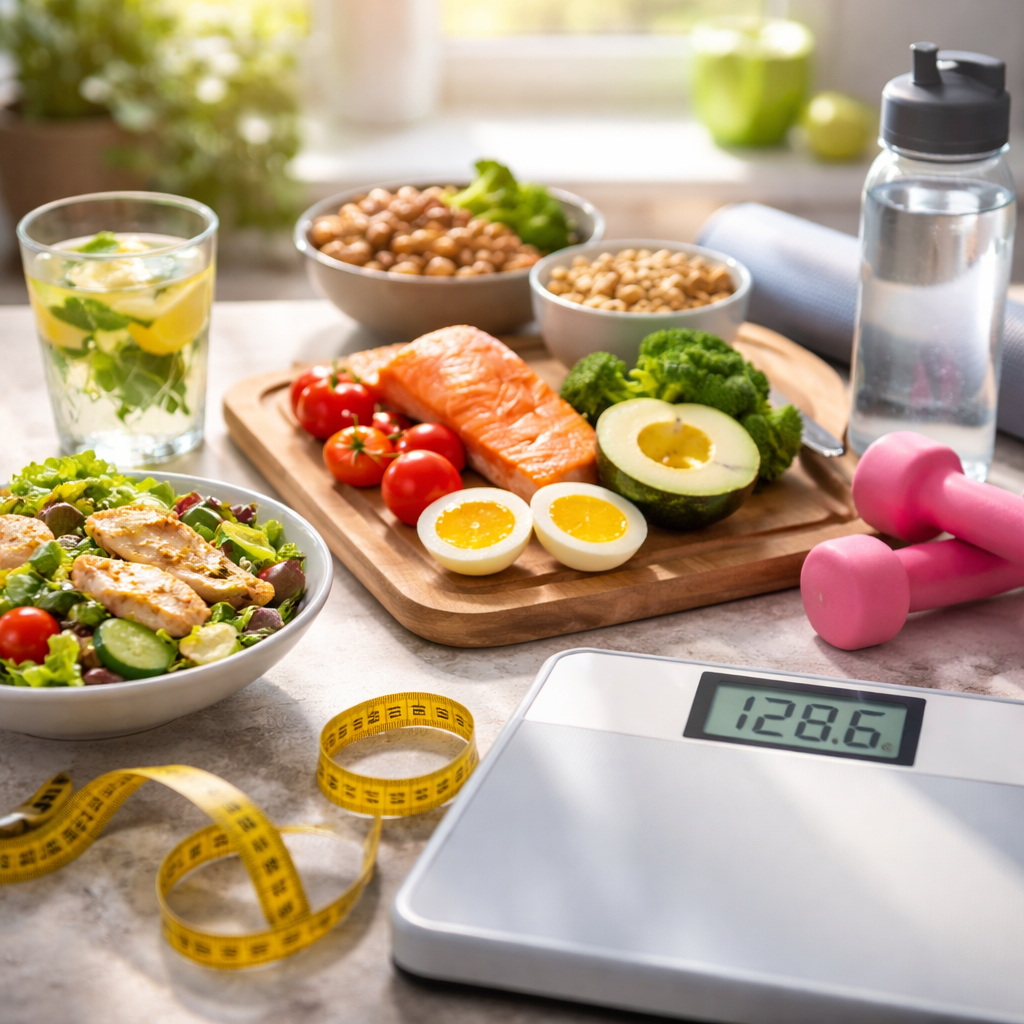
Most people searching for how to lose weight in a week are not looking to transform their entire life overnight — they want real, actionable steps that actually make a difference without risking their health. And while dropping 10 pounds in seven days is a myth worth busting immediately, meaningful, visible changes in your body composition, water retention, and energy levels are absolutely achievable in that timeframe.
What actually happens to your body in one week
Before jumping into strategies, it helps to understand what kind of weight loss is realistic in seven days. The human body can safely lose between 0.5 and 1 kilogram of actual fat per week under a moderate caloric deficit. However, a significant portion of initial weight loss — especially in the first few days — comes from reduced water retention and glycogen depletion. This is not a bad thing. It means you will feel lighter, less bloated, and more energetic almost immediately after making the right dietary shifts.
Crash diets, extreme fasting, or cutting out entire food groups may show a bigger number on the scale, but much of that is fluid loss and muscle breakdown — neither of which is sustainable or healthy. The goal here is to start a process that delivers fast but honest results.
The dietary changes that make the biggest difference
Nutrition is responsible for the vast majority of short-term weight changes. You cannot out-train a poor diet, and this becomes especially obvious when time is limited. Here is where to focus your energy:
- Reduce refined carbohydrates — white bread, pastries, sugary drinks, and processed snacks cause rapid spikes in insulin and promote water retention. Replacing them with whole grains, vegetables, and legumes stabilizes blood sugar and reduces bloating noticeably within days.
- Increase protein intake — protein keeps you fuller for longer, reduces overall calorie consumption, and supports muscle preservation during a caloric deficit. Aim for eggs, chicken, fish, Greek yogurt, and plant-based sources like lentils.
- Cut hidden sodium — excess salt is one of the biggest drivers of water weight. Processed foods, ready-made sauces, canned goods, and restaurant meals are packed with sodium. Cooking at home and seasoning with herbs and spices instead makes an immediate difference.
- Eat more fiber — vegetables, fruits, and whole grains support digestion and reduce the feeling of heaviness. Aim for at least 25–30 grams of fiber per day.
- Stay hydrated — drinking enough water actually reduces water retention, improves metabolism, and helps control appetite. Aim for 2–2.5 liters per day, more if you are active.
A caloric deficit of 500–600 calories per day is considered the safe and effective range for sustainable fat loss. Anything more aggressive risks muscle loss, fatigue, and nutritional deficiencies.
Movement that supports faster results
Exercise alone will not produce dramatic weight loss in seven days, but it plays a crucial supporting role. The right type of physical activity speeds up your metabolism, reduces bloating, and helps shift water weight through sweat and improved circulation.
Combining two types of training gives the best results in a short window:
| Training Type | Benefit in One Week | Recommended Frequency |
|---|---|---|
| Cardio (walking, cycling, swimming) | Burns calories, reduces water retention | 4–5 times, 30–45 minutes |
| Strength training | Preserves muscle, boosts resting metabolism | 2–3 times, full-body sessions |
You do not need a gym membership to make this work. Brisk walking for 45 minutes burns a significant number of calories and is low-impact enough to do every day. Bodyweight exercises — squats, push-ups, lunges, and planks — performed as a circuit three times a week will support muscle tone and keep your metabolism elevated between cardio sessions.
Sleep, stress, and the factors people consistently overlook
It might seem unrelated, but sleep quality has a direct impact on weight management. Poor sleep increases levels of ghrelin — the hormone that triggers hunger — while reducing leptin, the hormone that signals fullness. The result is stronger cravings, particularly for high-calorie foods. Prioritizing 7–9 hours of quality sleep per night is not optional if you want your dietary efforts to pay off.
Chronic stress elevates cortisol, which promotes fat storage — particularly around the abdominal area. Even a week of mindfulness practices, reduced screen time before bed, and brief daily walks in nature can lower cortisol levels meaningfully. These are not soft suggestions — they are backed by consistent findings in behavioral health research.
A simple day-by-day framework to follow
Rather than a rigid meal plan, use this flexible structure as a guide. Adjust portions based on your size, activity level, and hunger signals.
- Morning: Start with a glass of water before coffee. Eat a protein-rich breakfast — eggs, cottage cheese, or a smoothie with protein powder and berries.
- Midday: Build your lunch around vegetables and a lean protein source. Limit starchy sides to a small portion of whole grains.
- Afternoon: If you need a snack, choose something with protein and fiber — a handful of nuts, a piece of fruit with yogurt, or vegetable sticks with hummus.
- Evening: Keep dinner lighter than lunch. A large salad with salmon, grilled chicken with roasted vegetables, or a vegetable-based soup are all excellent options.
- After dinner: Avoid late-night snacking. Herbal tea can help manage cravings in the evening without adding calories.
Consistency across all seven days matters more than perfection on any single one. Missing one workout or eating an imperfect meal does not undo your progress — abandoning the plan entirely is the only thing that does.
What to measure beyond the scale
The number on the scale is a useful data point, but it fluctuates based on hydration, digestion, and hormonal cycles — sometimes by as much as 1–2 kilograms in a single day. Relying on it exclusively as a measure of success leads to unnecessary frustration.
After one week of clean eating, consistent movement, adequate sleep, and reduced sodium intake, pay attention to these indicators alongside your weight:
- How your clothes fit — particularly around the waist and abdomen
- Energy levels throughout the day
- Quality of sleep
- Reduction in bloating and digestive discomfort
- Mood and mental clarity
These markers reflect genuine progress — and they tend to improve faster than the number on the scale. Recognizing them keeps motivation high and gives a more accurate picture of what is actually changing in your body.
Building on the momentum you create this week
Seven days is long enough to break a few old habits and establish new ones. Research in behavioral science consistently shows that small, successful changes build the confidence needed to sustain larger transformations. The discipline you practice this week — waking up to drink water, choosing a protein-rich breakfast, taking that evening walk — becomes easier with each repetition.
The most successful approach to weight management is not about willpower. It is about designing an environment and a daily routine where the healthy choice becomes the easy choice. Start with the next seven days. Make them count, and let the results speak for themselves.