Most people dealing with breakouts have tried at least a dozen remedies before figuring out what actually works — and the frustrating truth is that learning how to get rid of acne isn’t just about washing your face more often. It’s about understanding what’s driving those breakouts in the first place.
Why acne keeps coming back even when you think you’re doing everything right
Acne is not simply a hygiene issue. It forms when hair follicles become clogged with sebum and dead skin cells, creating an environment where bacteria — primarily Cutibacterium acnes — can thrive. Hormonal fluctuations, stress, diet, and certain skincare products all contribute to this process in different ways and to different degrees depending on the person.
This is exactly why a routine that clears one person’s skin completely might do nothing — or even worsen — someone else’s. Identifying your acne type is the real starting point.
The difference between acne types actually matters
Not all pimples are created equal, and treating a cystic breakout the same way you’d treat a blackhead is one of the most common mistakes people make.
| Type | What it looks like | Common trigger |
|---|---|---|
| Blackheads | Open clogged pores with darkened surface | Excess sebum, oxidation |
| Whiteheads | Closed comedones, small white bumps | Clogged pores with no air exposure |
| Papules | Small red, inflamed bumps | Bacterial activity, irritation |
| Pustules | Red bumps with white or yellow pus | Infection within the pore |
| Cysts/Nodules | Deep, painful lumps under skin | Hormonal imbalance, genetics |
Surface-level treatments like salicylic acid toners work well for blackheads and mild breakouts. Deep cystic acne, however, often requires medical attention — no serum will reach that far into the skin on its own.
Skincare ingredients that are actually proven to help
The skincare market is flooded with products claiming to banish blemishes overnight. Most of them overpromise. A handful, though, have solid clinical evidence behind them.
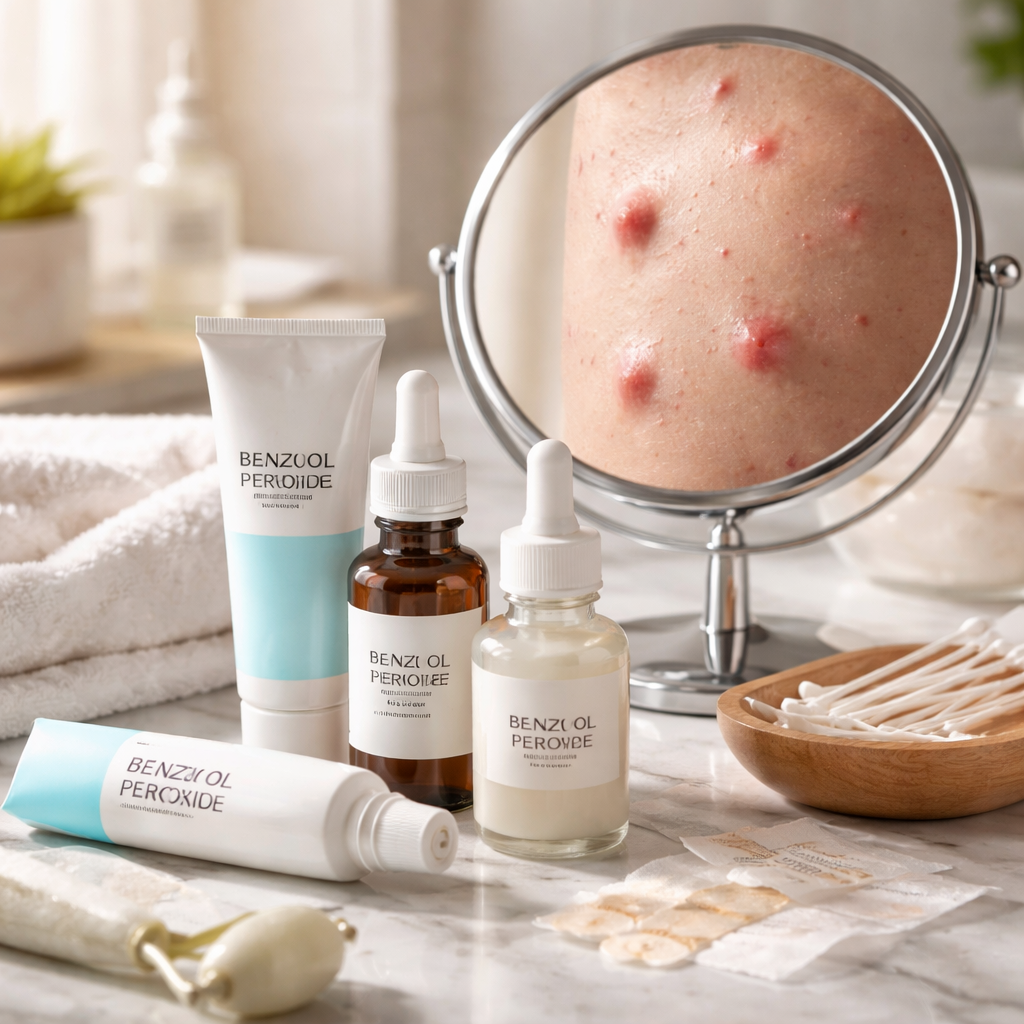
- Benzoyl peroxide — kills acne-causing bacteria directly and reduces inflammation. Available over the counter in concentrations from 2.5% to 10%. Start low to minimize dryness.
- Salicylic acid — a beta-hydroxy acid that penetrates pores and dissolves the debris inside them. Particularly effective for comedonal acne.
- Retinoids — derived from vitamin A, they speed up cell turnover and prevent pores from clogging. Prescription-strength tretinoin is one of the most well-researched acne treatments available.
- Niacinamide — reduces sebum production and calms inflammation without being harsh on the skin barrier.
- Azelaic acid — antibacterial and anti-inflammatory, also helps fade post-acne dark spots.
According to the American Academy of Dermatology, most topical treatments take six to eight weeks to show noticeable results. Stopping too early is one of the main reasons people believe a treatment “didn’t work.”
Daily habits that quietly make breakouts worse
Sometimes the problem isn’t what you’re putting on your skin — it’s everything else around it. A few overlooked habits can silently sabotage even the most carefully chosen skincare routine.
Touching your face throughout the day transfers bacteria and oils from your hands onto your skin. Pillowcases accumulate sebum, sweat, and dead skin cells faster than most people realize — changing them every few days makes a tangible difference. Heavy, occlusive makeup or sunscreens that aren’t labeled non-comedogenic can clog pores regardless of how diligent your evening cleanse is.
What diet and lifestyle research actually says
The connection between food and acne is more nuanced than “cut out chocolate and you’ll be fine.” Research does support a link between high-glycemic diets — foods that spike blood sugar quickly — and increased acne severity. Dairy, particularly skim milk, has also been associated with breakouts in some studies, though the relationship isn’t universal.
Chronic stress raises cortisol levels, which in turn stimulates oil production. Sleep deprivation follows a similar pathway. These aren’t soft lifestyle suggestions — they have measurable effects on skin inflammation and sebum output. Exercise helps regulate hormones and reduce stress, though sweating without a prompt post-workout cleanse can contribute to breakouts on the back and chest.
When to stop self-treating and see a dermatologist
Over-the-counter options are a reasonable first step for mild to moderate acne. But there are clear signs that professional help will get you further faster.
- Breakouts are deep, painful, and don’t respond to topical treatments after two months
- Acne is leaving significant scarring or persistent dark marks
- Breakouts appeared suddenly in adulthood without a clear trigger
- Skin is becoming increasingly sensitive or damaged from trying multiple products
A dermatologist can prescribe oral antibiotics, hormonal treatments like spironolactone, or isotretinoin for severe cases — all of which work at a level topical products simply cannot reach. These aren’t last resorts; they’re appropriate tools for the right situations.
Building a routine that works without overwhelming your skin
One of the biggest mistakes is loading a routine with too many active ingredients at once. Combining retinoids with strong acids and benzoyl peroxide in the same step, for example, can compromise the skin barrier and trigger more inflammation — the opposite of what you want.
A simple, consistent approach tends to outperform a complicated one. Gentle cleanser morning and night, one targeted active ingredient introduced slowly, a lightweight non-comedogenic moisturizer, and SPF during the day. That framework, adjusted for your specific skin type and acne pattern, is genuinely enough for most people to see real improvement over time.
Clear skin rarely happens quickly, and that’s not a failure — it’s how skin biology works. The people who see lasting results are usually the ones who pick an evidence-based approach, stick with it, and resist the urge to change everything the moment a new breakout appears.