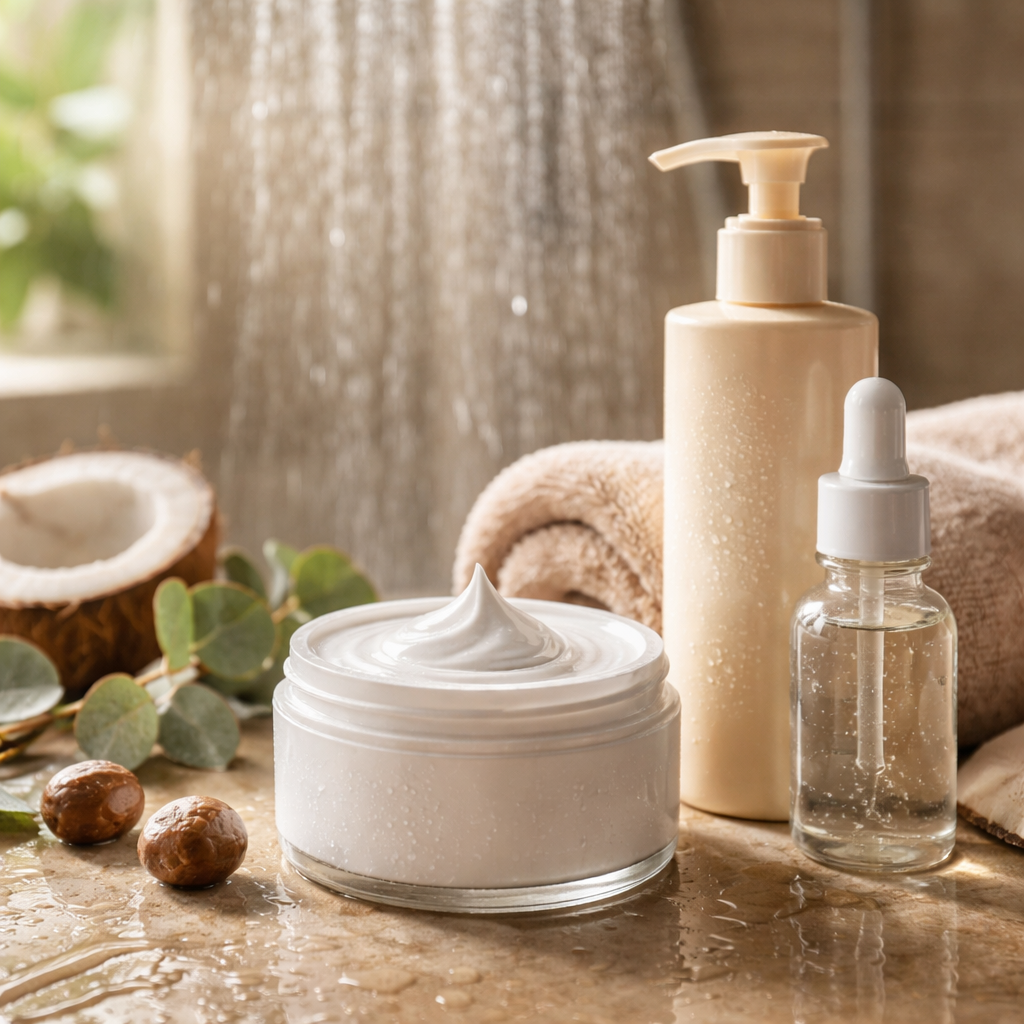
Most people reach for a heavier moisturizer and call it a day — but if you genuinely want to know how to fix dry skin for the long term, the solution goes much deeper than what you apply on top. The real causes are often hiding in your daily habits, your bathroom routine, and even the water you shower with.
Why your skin keeps losing moisture no matter what you do
Dry skin — clinically referred to as xerosis — happens when the skin barrier is compromised. This outer layer, made up of lipids and proteins, acts like a seal that keeps water inside the skin cells. When that seal weakens, moisture escapes faster than the skin can replenish it. The result is tightness, flaking, itching, and sometimes even small cracks.
Several factors chip away at this barrier without you even noticing. Hot showers, harsh soaps, central heating in winter, low humidity, over-exfoliating — each of these strips away natural oils that your skin depends on. Understanding this mechanism is the first step toward making real, lasting changes.
The cleansing habits that silently damage your skin
Cleansing is where most people unknowingly cause the most harm. A face wash or body soap that leaves your skin feeling “squeaky clean” is almost certainly too harsh. That sensation is a sign that the natural lipid film has been stripped away.
- Switch to fragrance-free, soap-free cleansers with a pH close to 5.5
- Limit showers to 5–10 minutes and use lukewarm water instead of hot
- Pat skin dry with a soft towel — never rub
- Apply moisturizer within two to three minutes of stepping out of the shower, while skin is still slightly damp
That last point is more important than most people realize. Applying a moisturizer to damp skin helps trap residual water in the outer layers — a technique dermatologists consistently recommend for anyone dealing with chronically dry or sensitive skin.
Choosing the right moisturizer: ingredients that actually work
Not all moisturizers work the same way. They fall into three functional categories, and the most effective products for dry skin typically combine all three:
| Type | What it does | Key ingredients |
|---|---|---|
| Humectant | Draws water into the skin | Hyaluronic acid, glycerin, urea |
| Emollient | Softens and smooths skin texture | Shea butter, squalane, ceramides |
| Occlusive | Forms a protective barrier to seal moisture in | Petrolatum, dimethicone, beeswax |
For very dry or cracked skin, look for products that contain ceramides. These lipid molecules are naturally present in healthy skin and play a direct role in maintaining the barrier function. When ceramide levels drop — which happens with age, eczema, and over-cleansing — the skin loses its ability to hold water effectively.
Dermatologists often recommend fragrance-free creams over lotions for dry skin. Lotions have a higher water content and can actually cause further dryness through evaporation, especially in low-humidity environments.
Lifestyle factors that affect skin hydration from the inside
Topical products can only do so much. Several internal and environmental factors have a measurable impact on how hydrated your skin stays throughout the day.
Diet plays a more significant role than most people expect. Omega-3 fatty acids — found in fatty fish, flaxseeds, and walnuts — help maintain the skin’s lipid barrier from within. A deficiency in essential fatty acids is one of the known contributors to persistent skin dryness. Similarly, insufficient zinc and vitamin E intake can slow down the skin’s natural repair processes.
Hydration through water intake matters too, though it’s often overstated. Drinking water won’t instantly plump up dry skin, but severe dehydration does visibly affect skin elasticity and texture. Aim for consistent daily intake rather than occasional large amounts.
When dry skin needs more than a routine adjustment
Sometimes persistent dryness isn’t just about skincare habits. Conditions like eczema (atopic dermatitis), psoriasis, hypothyroidism, and diabetes can all cause or significantly worsen dry skin. If your skin is chronically rough, inflamed, intensely itchy, or cracking and bleeding despite consistent moisturizing, it’s worth speaking to a dermatologist.
Prescription treatments such as topical corticosteroids, calcineurin inhibitors, or prescription-strength urea creams may be necessary in these cases. Self-diagnosing and over-relying on OTC products can sometimes delay effective treatment and prolong discomfort.
Building a simple routine that your skin will actually respond to
Consistency matters far more than complexity. A simple, well-chosen routine followed daily will outperform an elaborate one used sporadically. Here’s what a practical daily approach looks like for dry skin:
- Morning: Rinse with cool water (skip cleanser if skin isn’t oily), apply a ceramide-rich moisturizer, and finish with SPF — UV exposure degrades the skin barrier over time
- Evening: Gentle cleanse, apply a richer moisturizer or occlusive balm on any especially dry areas
- Weekly: Use a mild chemical exfoliant (lactic acid works well for dry skin) to remove flaky buildup without physical scrubbing
Lactic acid is worth singling out here. Unlike more aggressive acids such as glycolic acid, it exfoliates gently while also acting as a humectant — making it one of the better-suited options for skin that tends toward dryness and sensitivity.
Dry skin responds well to patience and repetition. Most people notice meaningful improvement within two to four weeks of consistently applying the right moisturizer and eliminating the cleansing habits that were undermining their efforts. The skin barrier has a real capacity to repair itself — it just needs the right conditions to do so.