Running out of butter mid-recipe or simply trying to cut back on saturated fat? The good news is that finding a reliable alternative to butter is easier than most people think — and in many cases, the swap actually improves the dish in texture, flavor, or nutritional value.
Why people look for butter substitutes in the first place
The reasons vary widely. Some people follow a dairy-free or vegan diet. Others are managing high cholesterol or heart health concerns. And sometimes it’s purely practical — the butter is gone, the oven is already preheated, and dinner needs to happen. Whatever the reason, knowing your options makes you a more confident and flexible cook.
It’s worth noting that no single substitute works perfectly in every situation. The right choice depends on what you’re making — baking behaves differently from sautéing, and spreading on toast is a different job entirely than enriching a sauce.
The most practical swaps for cooking and baking
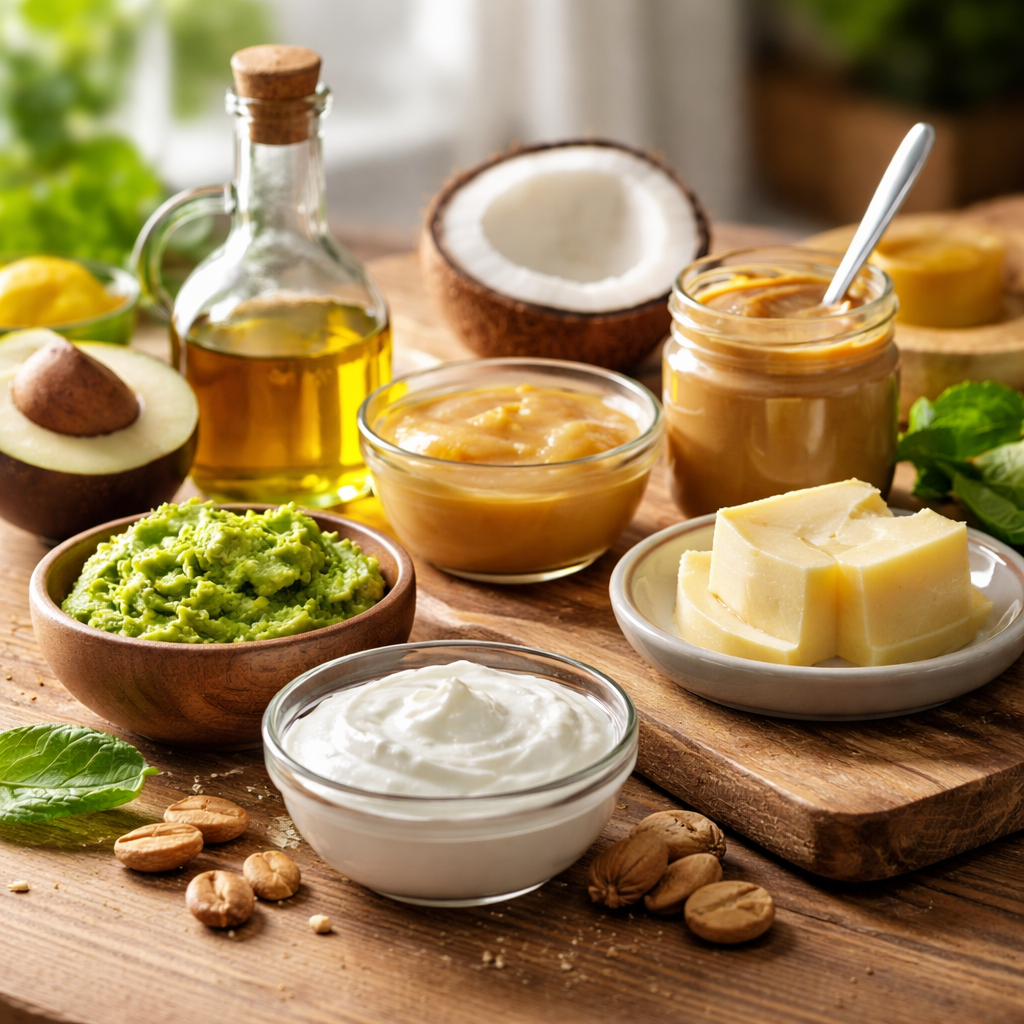
Here’s a breakdown of the most widely used butter replacements, along with what they actually do well and where they fall short.
| Substitute | Best used for | Ratio to butter | Key notes |
|---|---|---|---|
| Olive oil | Sautéing, roasting, savory baking | 3/4 cup per 1 cup butter | Adds a distinct flavor; not ideal for sweet recipes |
| Coconut oil | Baking, frying | 1:1 | Solid at room temperature; adds mild sweetness |
| Unsweetened applesauce | Muffins, quick breads, cakes | 1:1 | Reduces fat significantly; adds moisture |
| Avocado | Spreads, baking, frosting | 1:1 | Creamy texture; works best in dense baked goods |
| Greek yogurt | Baking, sauces | 1:1 (for baking) | Adds protein; results in moist, tender crumb |
| Nut butters | Cookies, energy bars, toast | 1:1 | Changes flavor profile significantly |
Each of these has earned its place in real kitchens — not just in theory. The key is matching the substitute to the specific role butter plays in your recipe.
When fat content and texture actually matter
Butter does three distinct things in cooking: it adds fat, contributes flavor, and affects structure. In pastry, for example, cold butter creates flaky layers by keeping fat and dough separate until heat hits. That’s why replacing it in croissants or puff pastry is genuinely difficult — most substitutes simply don’t behave the same way under those conditions.
For everyday baking like brownies, banana bread, or pancake batter, however, the differences are much less critical. Here, moisture and fat content matter more than precise texture mechanics, which opens the door to a wider range of swaps.
Nutritionists often point out that replacing butter with olive oil in everyday cooking is one of the simplest ways to shift your fat intake toward more heart-healthy unsaturated fats — without dramatically changing how your food tastes.
Plant-based spreads and dairy-free options worth knowing
The market for vegan and dairy-free spreads has grown considerably, and the quality has improved to match. Plant-based butter products made from blends of oils — such as coconut, sunflower, or avocado oil — are now widely available and perform well in most baking and spreading applications. Brands like Earth Balance or Miyoko’s Creamery have built strong reputations among those avoiding dairy.
These products are specifically formulated to mimic butter’s behavior, which makes them the most straightforward 1:1 substitution for anyone who cooks frequently and wants consistency without adjusting recipes.
A few things worth keeping in mind
- Liquid oils (like olive or vegetable oil) will make baked goods slightly denser and moister than butter would — this can be a plus or a minus depending on the recipe.
- Applesauce and mashed banana both add natural sweetness, so you may want to reduce any added sugar in the recipe accordingly.
- Coconut oil solidifies when cold, which can affect the texture of frostings or no-bake recipes if they’re refrigerated.
- If you’re replacing butter in a roux or cream sauce, a neutral oil works, but the richness will be slightly different — adding a splash of plant-based cream can help compensate.
Spreading alternatives for everyday use
If you’re thinking beyond baking — about what to put on toast, warm vegetables, or corn on the cob — the options expand further. Mashed avocado with a pinch of salt is a genuinely satisfying spread. Hummus works surprisingly well on whole grain toast. Tahini, drizzled over roasted vegetables, brings a nutty depth that butter rarely achieves.
None of these pretend to be butter. They’re simply good in their own right, and that shift in perspective — from “replacement” to “alternative worth choosing” — tends to make the transition much easier.
What actually works best depends on your cooking style
There’s no universal answer here, and that’s actually useful information. If you cook mostly savory dishes, olive oil will cover the majority of your needs. If you bake regularly and want reliable results without rethinking every recipe, a quality plant-based butter is worth keeping on hand. If you’re focused on reducing calories and fat overall, options like applesauce, yogurt, or avocado bring real nutritional benefits alongside their functional role.
The only approach that doesn’t work well is picking a single substitute and applying it everywhere regardless of context. A little flexibility goes a long way — and once you’ve tried a few options in your own kitchen, the choices become second nature.